Visible Black or Gray Residue
Any soot film on walls, ceilings, or furniture needs cleaning matched to its type.
Not all soot is the same, and using the wrong cleaning method can smear it deeper into a surface instead of removing it. We connect you with licensed local pros who identify the soot type first and clean your Overland Park home the right way.
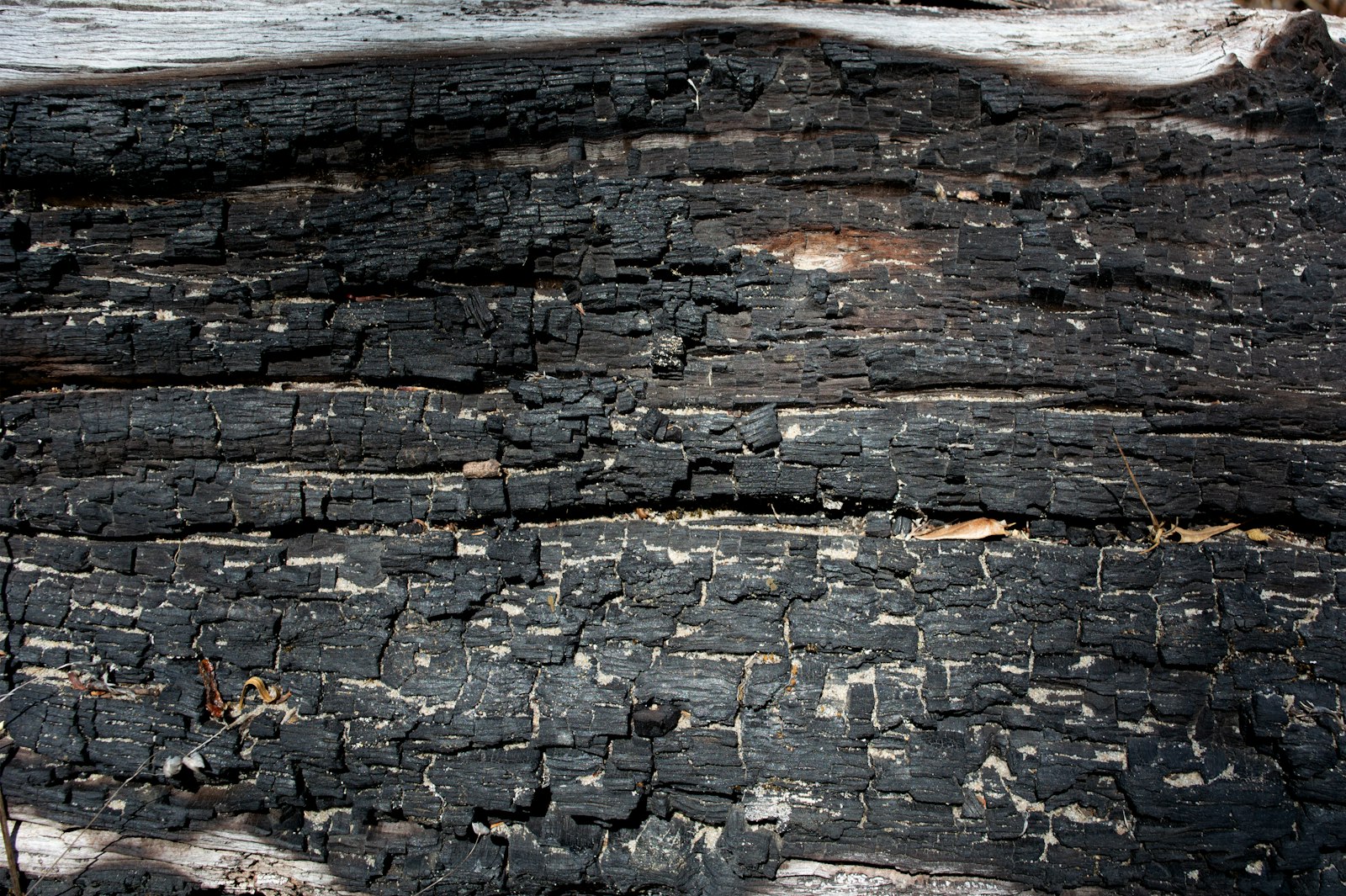
Smoke and soot removal starts with identifying the type of smoke residue, dry, wet, or protein, since each requires different cleaning chemistry. Dry smoke from a fast, hot fire leaves powdery soot that dry-cleans easily. Wet smoke from smoldering plastics leaves sticky residue needing wet chemical methods. Protein smoke from a kitchen fire leaves an almost invisible film that needs enzymatic cleaners. Call (913) 365-0554 for the right method the first time.
Soot is not one substance. A fast-burning fire on paper or dry wood produces dry, powdery soot that lifts off surfaces fairly easily. A smoldering fire involving plastics or synthetic materials produces wet smoke that is sticky, penetrates deep into porous surfaces, and creates the most complex odors of any fire type. A kitchen fire produces protein smoke, an almost invisible film that coats every surface in the house, even rooms the fire never reached.
Using dry cleaning chemistry on protein smoke barely makes a visible difference. Using wet cleaning methods on dry soot can smear it and spread the residue across a larger area than the fire itself did.
Crews identify the soot type before cleaning begins, since guessing wastes time and can spread residue. Dry chemical sponges lift loose soot first to prevent smearing, followed by HEPA vacuuming to capture fine particulates, then a targeted wet or enzymatic cleaning method matched to the soot type.
Hard surfaces like walls, trim, and sealed wood typically clean up well. Soft, porous materials like upholstery and carpet absorb soot more deeply and sometimes need specialized cleaning or replacement if the buildup is too heavy to fully remove.
Get Soot RemovedCall and reach a real local crew in under a minute. They identify the soot type first, then clean it correctly, and your insurance gets billed directly.
Get Help NowCrews determine whether the residue is dry, wet, or protein smoke before choosing a method.
Loose soot is lifted first to prevent smearing, then fine particulates are captured with HEPA equipment.
A wet, alkaline, or enzymatic cleaner matched to the soot type finishes the job on every affected surface.
A generic cleaning spray does not know the difference between dry soot and a protein film from a kitchen fire. The local pros in our network identify the soot type in your Overland Park home first, so the cleaning method actually works instead of smearing or barely touching it.

Any soot film on walls, ceilings, or furniture needs cleaning matched to its type.
An oily residue without an open flame usually points to protein smoke or a furnace issue.
Smoke travels through ductwork and hallways well beyond where flames actually reached.

Dry smoke comes from fast, high-temperature fires like paper or dry wood and leaves a powdery soot that is relatively easy to clean. Wet smoke comes from smoldering fires involving plastics or synthetics and leaves sticky, deep-penetrating residue with complex odors. Protein smoke comes from cooking fires and leaves a nearly invisible film that requires enzymatic cleaners to break down.
Using the wrong method makes things worse. Dry cleaning chemistry on protein smoke produces almost no visible improvement, while wet cleaning approaches on dry soot can smear it and spread the residue further across the surface. Identifying the soot type first is what determines the right method.
Most hard surfaces like walls, trim, and sealed wood can be cleaned with the right method. Soft, porous materials like upholstery and carpet often absorb soot deeper and may need specialized cleaning or, in severe cases, replacement rather than cleaning.
Soot particles are fine enough to irritate lungs and can carry chemical residue from whatever burned. It is best to avoid direct contact and let the crew handle removal with the right protective equipment, especially in a room with heavy soot buildup.
We answer live 24/7, connect you with a local crew that cleans the same day with the right method, and they bill your insurance directly.
Start Soot Removal