Any Recent Water Event
A flood, leak, or burst pipe in the last 48 hours means you are still inside the window.
The EPA says mold can start growing on wet material within 24 to 48 hours. If your Overland Park home just had a flood, leak, or burst pipe, that clock is already running. We connect you with licensed local pros who dry and treat your home before mold gets a foothold.
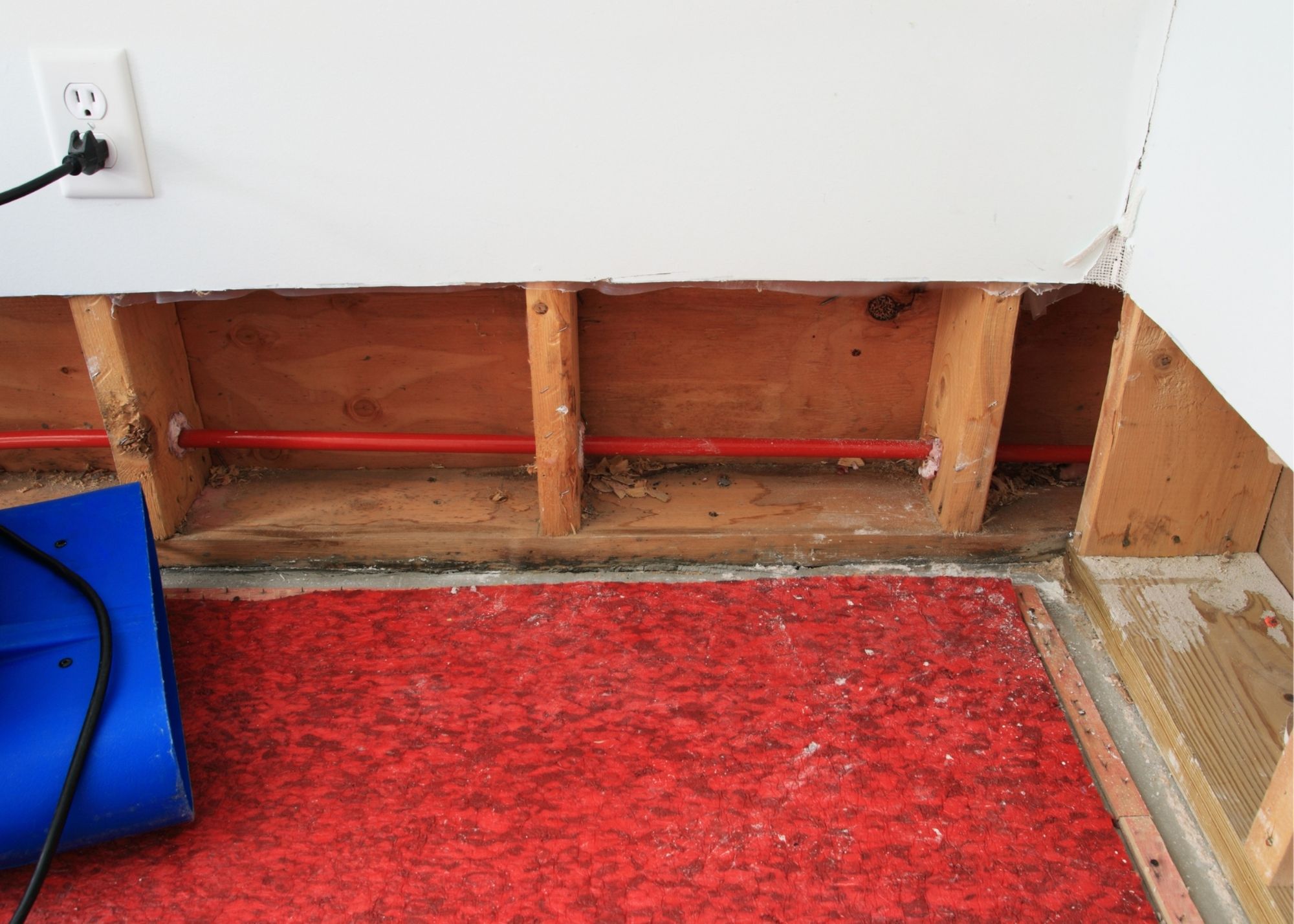
Post-water-damage mold prevention means extracting standing water, drying materials with commercial equipment, and applying antimicrobial treatment, all within the roughly 24 to 48 hour window before mold can take hold, according to the EPA. Clean Category 1 water on carpet or drywall dried within that window often does not need to be removed at all. Call (913) 365-0554 before that window closes.
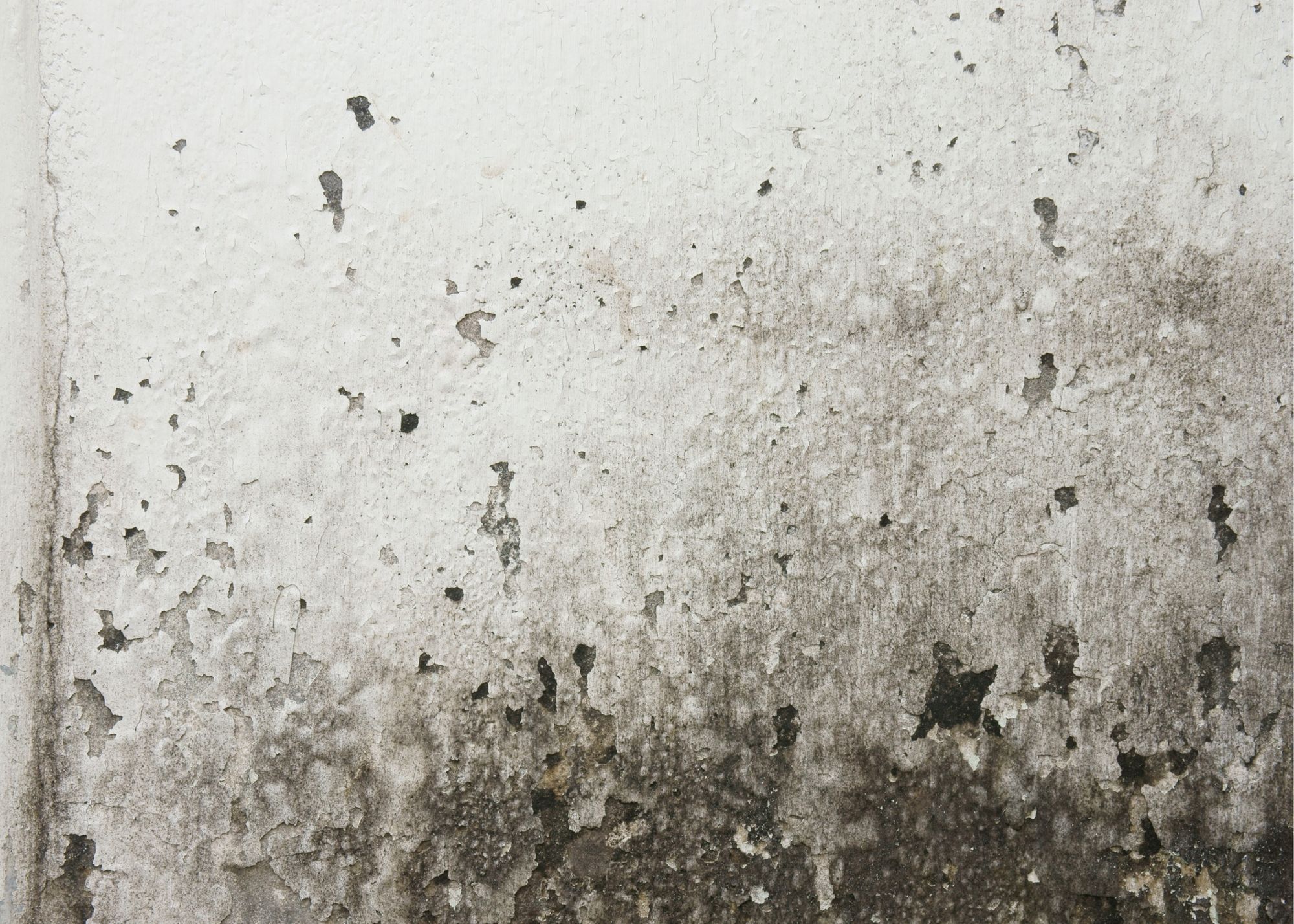
Once material gets wet, whether from a burst pipe, a storm, or an appliance leak, mold does not wait for a convenient time to grow. The EPA's own guidance points to a 24 to 48 hour window before mold can establish itself on damp drywall, carpet, or wood framing.
A lot of homeowners focus entirely on cleaning up visible water and miss that the real race is against time, not against mess. Water that looks handled but was not properly dried and treated inside that window can still turn into a mold problem a few weeks later.
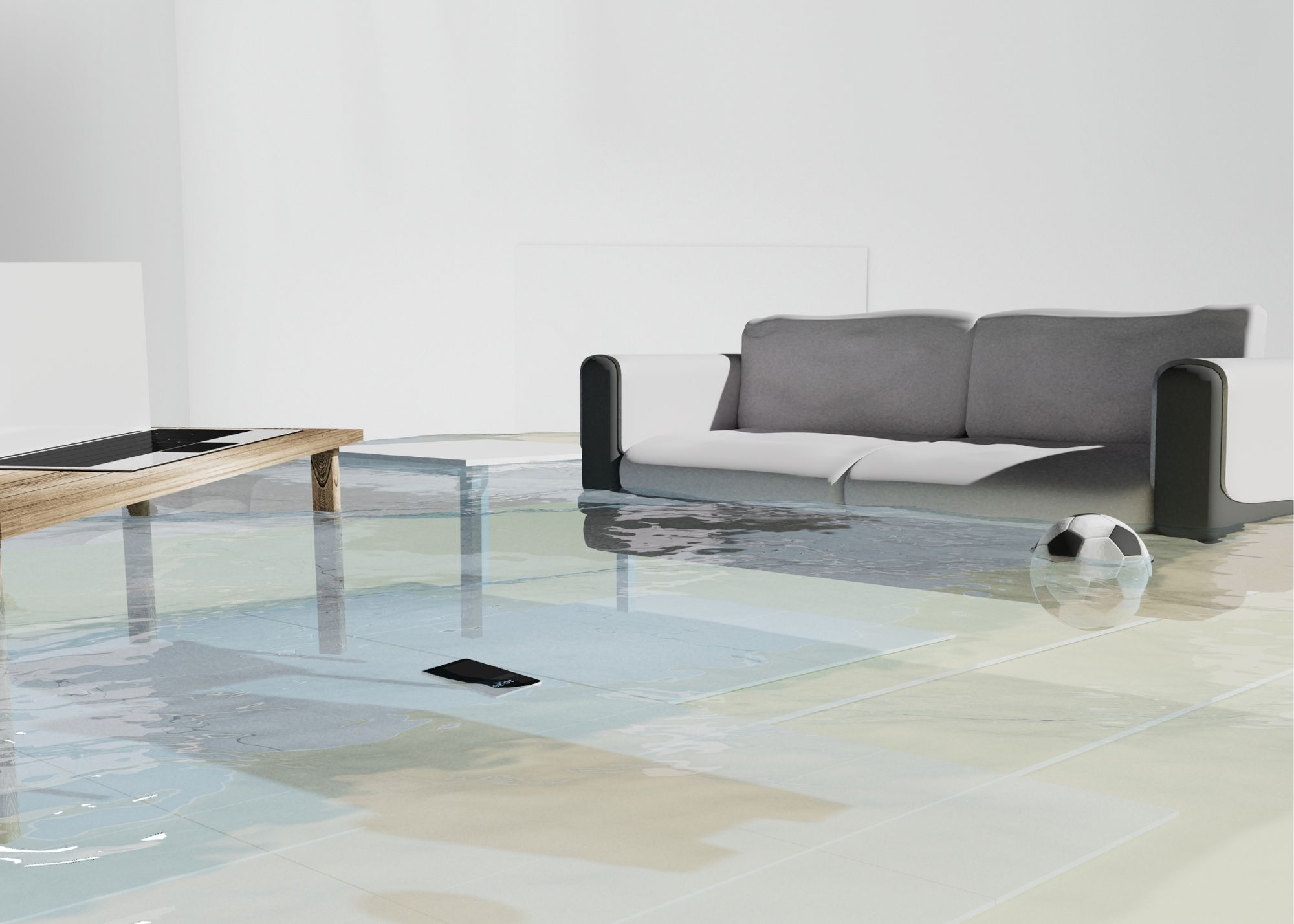
Crews extract standing water first, then bring in dehumidifiers to pull indoor humidity below 60 percent, ideally into the 30 to 50 percent range where mold struggles to establish itself. Antimicrobial treatment is applied to cleaned surfaces to create a protective barrier while drying finishes.
Clean Category 1 water on carpet, wood framing, and drywall can often be saved if it is fully dried within that 24 to 48 hour window. Material still wet past that point, or affected by contaminated water, is far more likely to need removal instead.
Prevent Mold NowCall and reach a real local crew in under a minute. Fast drying and treatment inside the prevention window is what keeps this from turning into a full remediation job, and your insurance gets billed directly.
Get Help NowStanding water is removed immediately to stop it from spreading further into materials.
Dehumidifiers and air movers bring humidity down before the 24 to 48 hour window closes.
A protective treatment is applied to cleaned surfaces to inhibit any remaining mold risk.
A lot of cleanup focuses only on visible water. The local pros in our network treat the EPA's 24 to 48 hour window as the real deadline, which is often the difference between saving your Overland Park home's materials and needing a full mold remediation later.

A flood, leak, or burst pipe in the last 48 hours means you are still inside the window.
Carpet, drywall, or wood that still feels damp after a day needs faster drying, not more waiting.
A room shut off from airflow after a water event traps the humidity mold needs.
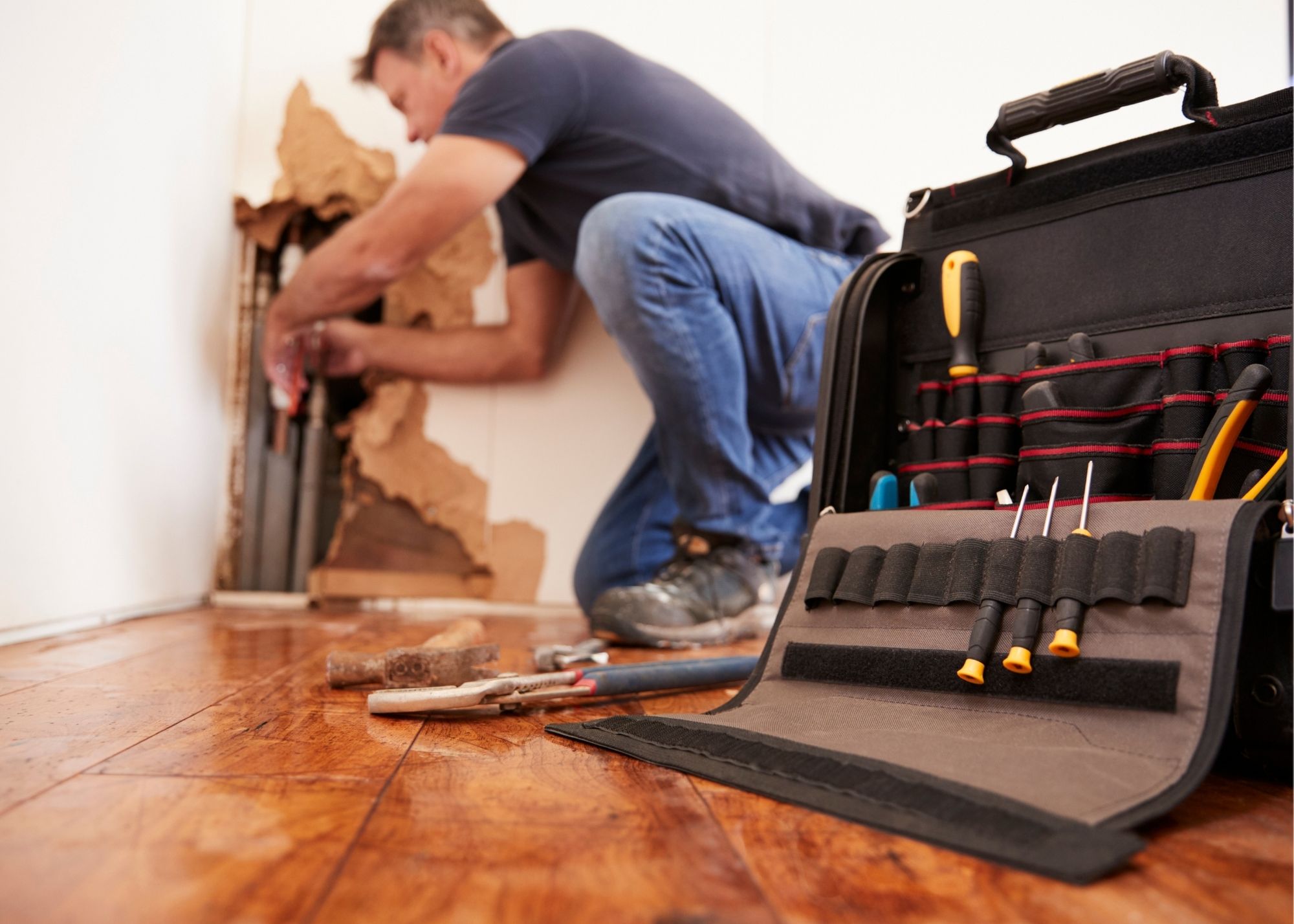
The EPA notes mold can begin growing on wet materials within 24 to 48 hours. Keeping affected materials dry within that window is the single biggest factor in whether mold prevention succeeds or you end up needing full remediation later.
Dehumidifiers should bring indoor humidity below 60 percent, ideally into the 30 to 50 percent range. Higher humidity gives any remaining moisture in materials the conditions mold needs, even after visible water has been extracted.
Antimicrobial treatment creates a protective barrier on cleaned surfaces that inhibits mold development. It works best as part of a full process that includes extraction, drying, and cleaning, not as a stand-alone fix sprayed onto still-wet material.
Often, yes. Carpet affected by clean Category 1 water can typically be saved if it is dried within 24 to 48 hours. Anything still wet past that window, or affected by contaminated water, is much more likely to need removal instead of drying in place.
We answer live 24/7, connect you with a local crew that dries and treats your home the same day, and they bill your insurance directly.
Beat the Mold Clock