A Brown or Yellow Ring
A stained ring on a ceiling or wall shows exactly where water reached the surface.
A brown ring on the ceiling or a soft spot on a wall is never just cosmetic. We connect you with licensed local pros who dry what can be saved and repair or replace what cannot in your Overland Park home.

Ceiling and drywall water damage repair starts with finding and stopping the moisture source, drying the material fully, then deciding whether to repair or replace it. Drywall that dried firm with no sagging or mold can often be patched and repainted. Drywall that feels soft, spongy, or is sagging needs to be cut out and replaced. Call (913) 365-0554 for an assessment.
A water stain only shows where moisture reached the surface. Water often travels sideways along framing and insulation before it drips through, so the wet area hidden above an Overland Park ceiling can be much larger than the visible ring suggests. Painting over a stain without finding the source just hides the problem until it comes back, often worse.
Left long enough, trapped moisture softens the paper and gypsum core of drywall, weakens the material's grip on the framing, and can lead to sagging or even a partial ceiling collapse.


Crews find and stop the moisture source first, since patching over an active leak just means doing the repair twice. A moisture meter confirms whether the drywall has actually dried, not just how it feels to the touch, because trapped moisture is the most common reason a patch fails later.
Drywall that dried firm with no sagging gets sealed with a stain-blocking primer and repainted. Drywall that is soft, sagging, or shows mold gets cut back to solid material, usually 6 to 12 inches past the visible damage, and replaced.
Get Your Ceiling AssessedCall and reach a real local crew in under a minute. They find the source, confirm the drywall is dry, and repair it right the first time, and your insurance gets billed directly.
Get Help NowThe leak or moisture source is identified and stopped before any repair work begins.
The area is dried and checked with a moisture meter to confirm it is fully dry, not just surface-dry.
Firm, undamaged drywall is patched and painted; soft or sagging drywall is cut out and replaced.
Patching over drywall that is not fully dry is the most common reason ceiling repairs fail. The local pros in our network verify moisture levels before they patch anything, so your Overland Park ceiling repair holds instead of staining again in a few months.

A stained ring on a ceiling or wall shows exactly where water reached the surface.
Any bulge or sag means the drywall is holding weight it was never built to hold.
Drywall that gives when pressed lightly has already broken down inside.
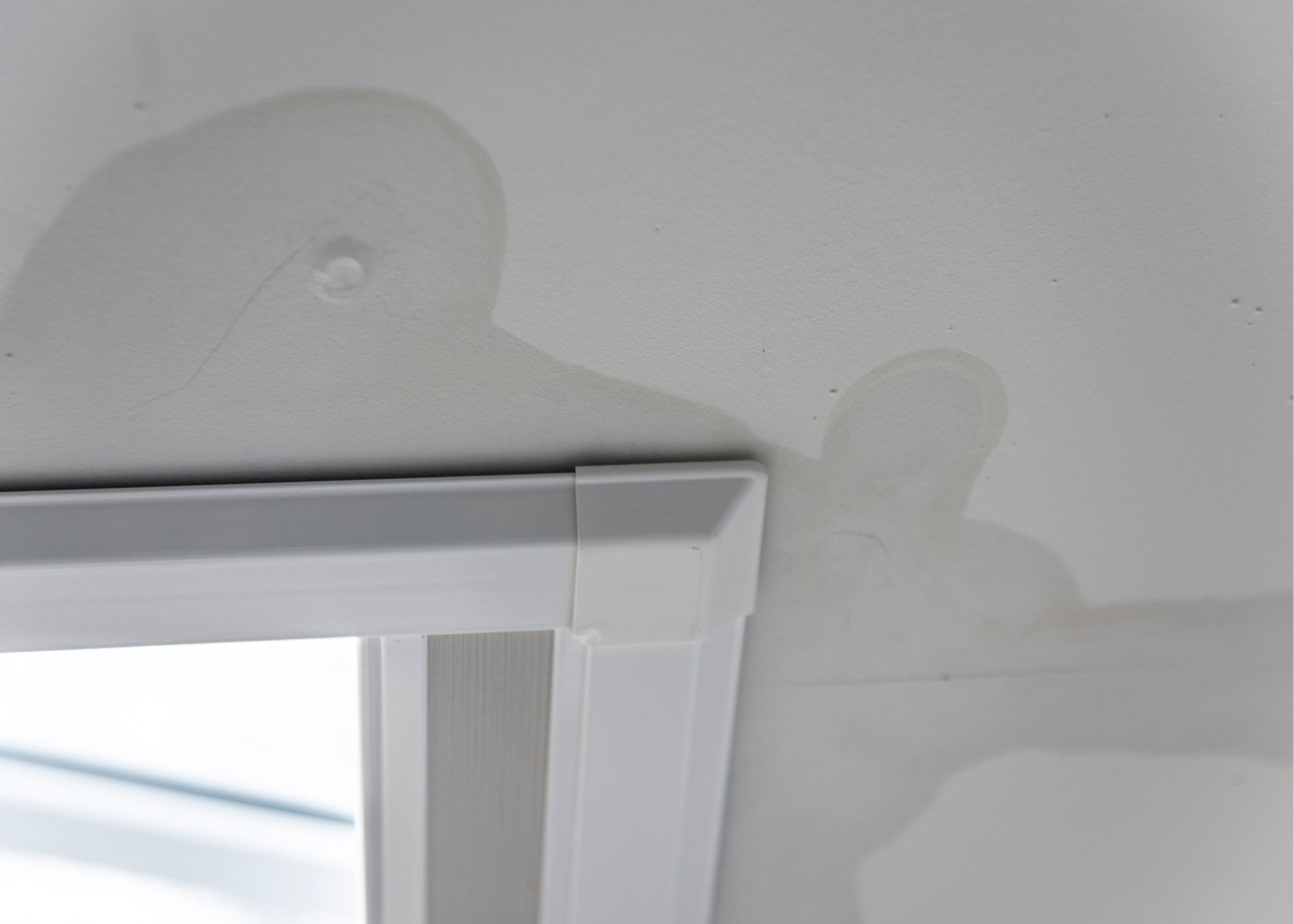
Sometimes. If the drywall dried fully, still feels firm, is not sagging, and has no mold, a stain can often be sealed with a stain-blocking primer and repainted. If the drywall feels soft, spongy, or is sagging, it needs to be cut out and replaced, since the paper and gypsum core have already broken down.
A moisture meter is the only reliable way. Drywall can feel dry to the touch on the surface while still holding water inside the material. Patching or painting over drywall that is not fully dry is the most common reason ceiling repairs fail and have to be redone.
A stain shows where water reached the surface, but water often spreads sideways along framing before it drips through, so the wet area behind the ceiling can be much larger than the visible stain. Crews check beyond the stain itself before deciding what needs to be cut out.
Yes. A ceiling that sags is holding the weight of trapped water, and enough weight can cause a section to collapse. Stay out of the room, place a bucket to catch drips from a safe distance if you can, and avoid touching or pressing on the sagging area.
We answer live 24/7, connect you with a local crew that assesses and repairs the same day, and they bill your insurance directly.
Start Ceiling Repair