A Cool, Damp Feel
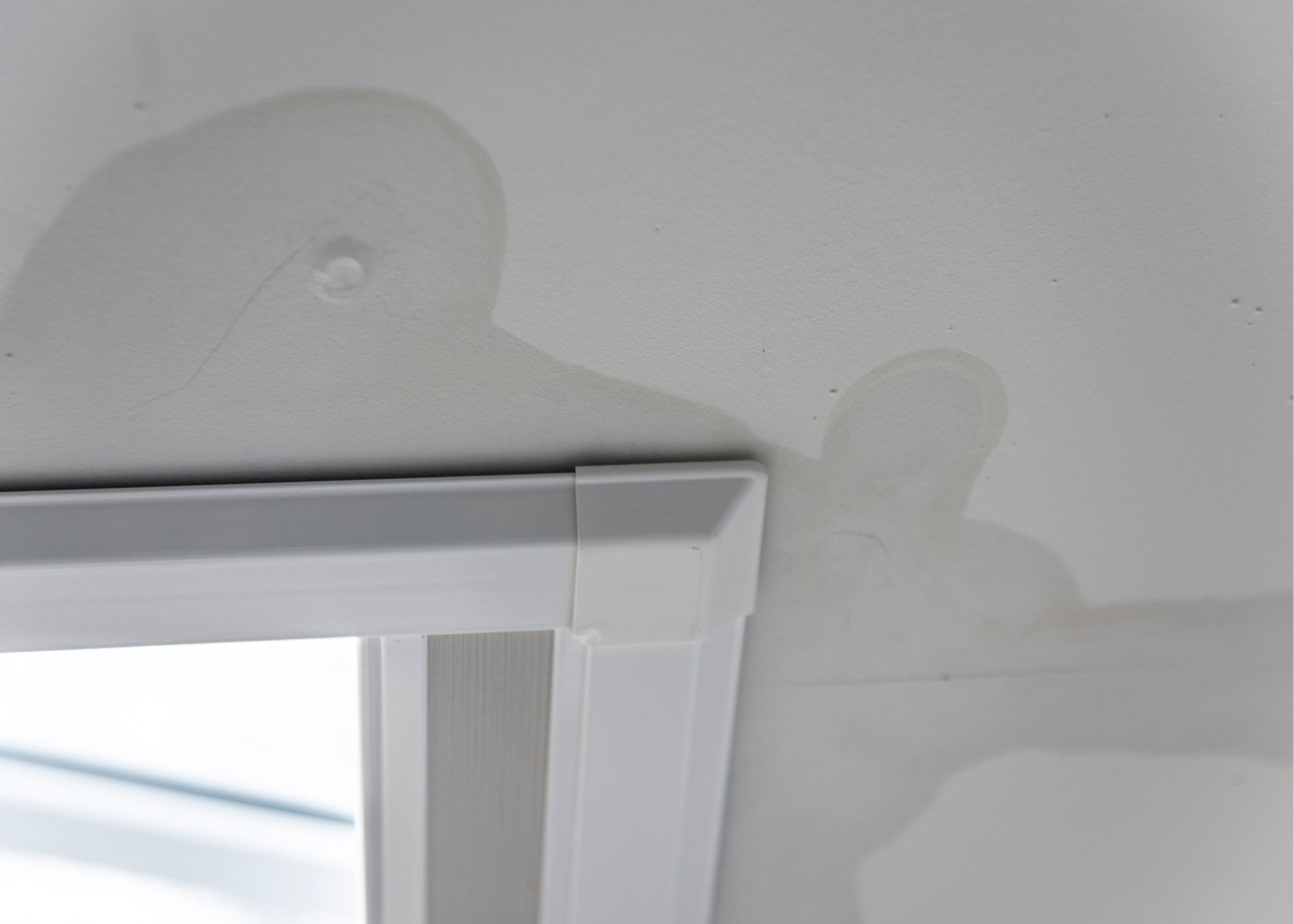
A wall or floor that feels cool and slightly damp to the touch is still holding moisture.
Pulling out standing water is only half the job. Drywall, subfloor, and framing can hold onto moisture long after the surface looks dry. We connect you with licensed local pros who use LGR dehumidifiers and commercial air movers to dry your Overland Park home the right way.
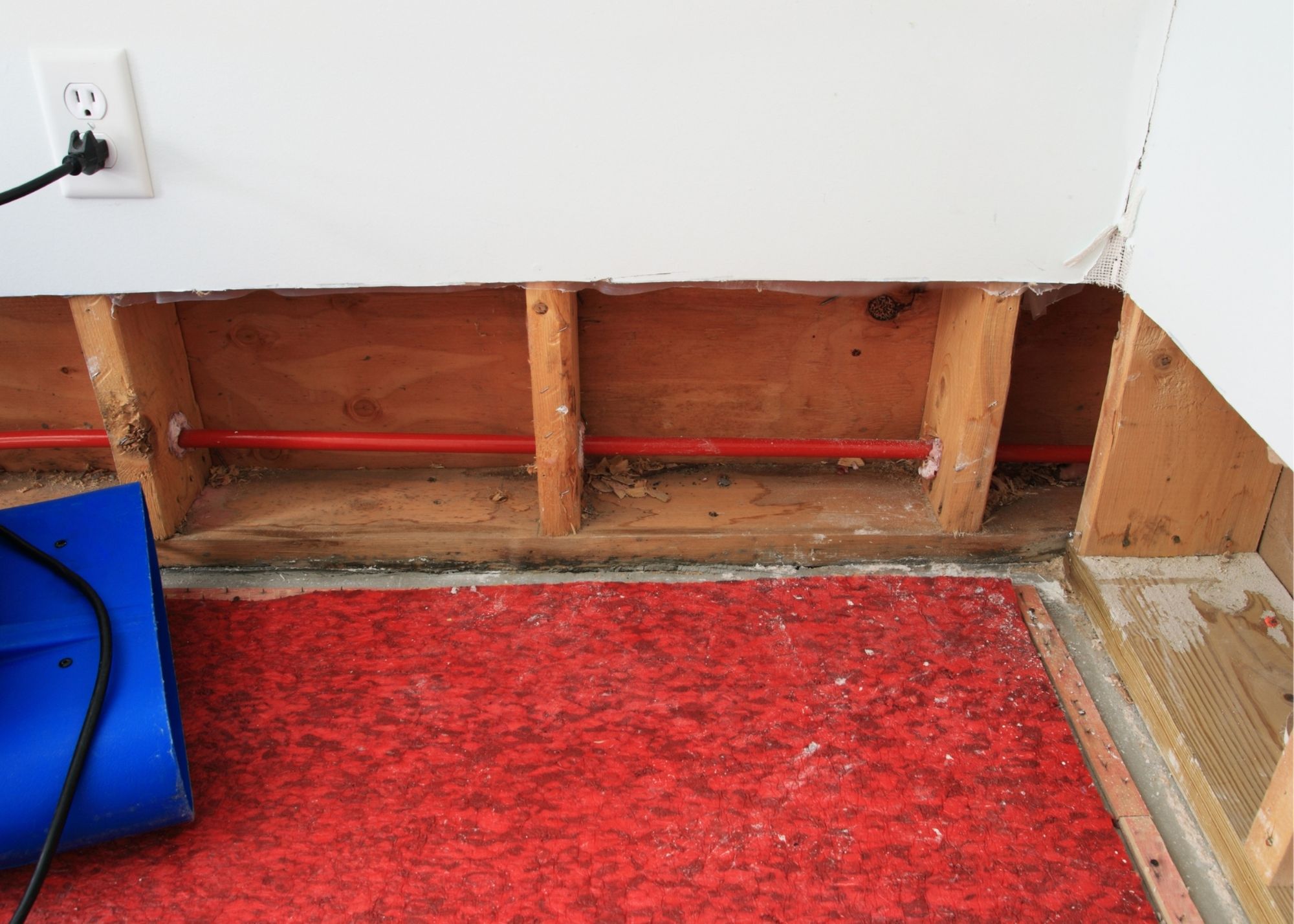
Structural drying uses commercial air movers to pull moisture out of walls, floors, and framing into the air, while an LGR dehumidifier pulls that moisture back out of the air so it cannot resettle. The IICRC S500 standard calls for about one dehumidifier per three to four air movers. A typical Overland Park room dries in 3 to 5 days. Call (913) 365-0554 to get equipment placed today.
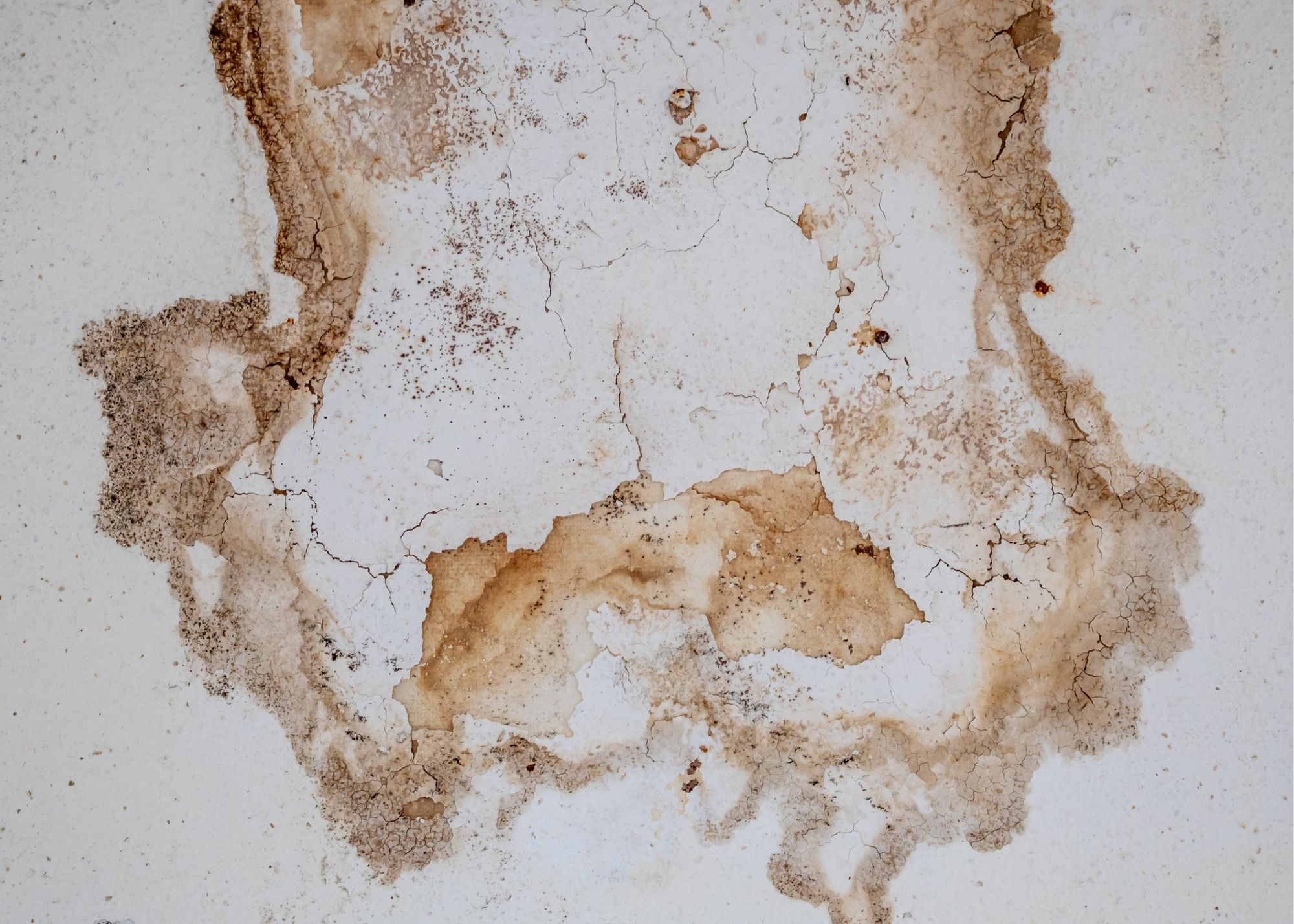
After a flood or leak, the surface of a wall or floor can feel dry to the touch within a day, while the material underneath is still holding water. Drywall, subfloor, and wood framing all absorb moisture and release it slowly, and Kansas summer humidity makes the air itself part of the problem, since a house fan just moves already-humid air around the room.
Skip proper drying and that trapped moisture becomes the starting point for mold, usually inside a wall cavity where nobody notices until the smell shows up weeks later.
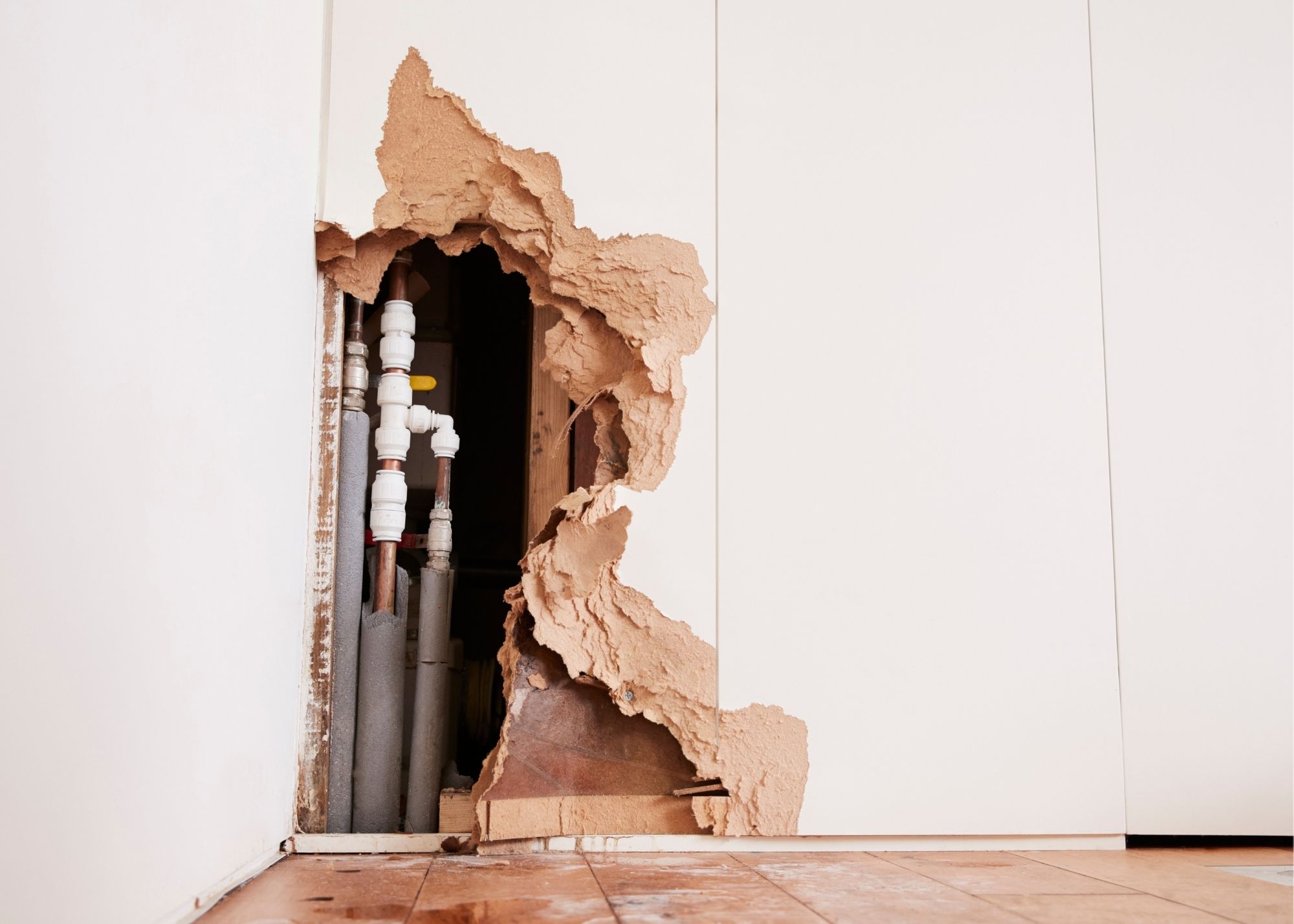
Crews place commercial air movers to push high-velocity air across every wet surface, driving moisture out of the material and into the air as vapor. An LGR dehumidifier then pulls that moisture back out, keeping the air dry enough that materials keep releasing water instead of reabsorbing it.
Moisture meters and hygrometers check progress daily, comparing readings against a dry standard for that material. Equipment stays in place and running around the clock, since shutting it off overnight lets humidity climb back up and undoes progress.
Get Drying Equipment SetCall and reach a real local crew in under a minute. They bring the equipment and the moisture meters to confirm the job is actually done, and your insurance gets billed directly.
Get Help NowMoisture meters and thermal imaging find every wet spot, including inside walls and under flooring.
Air movers and an LGR dehumidifier are set at IICRC-recommended ratios for the size of the space.
Readings are checked and equipment adjusted each day until every material reaches a dry standard.
Renting a fan from a hardware store is not the same as structural drying. The local pros in our network follow IICRC S500 ratios for air movers and dehumidifiers, and they do not call a job finished until moisture meters confirm it, not until the room simply feels okay.
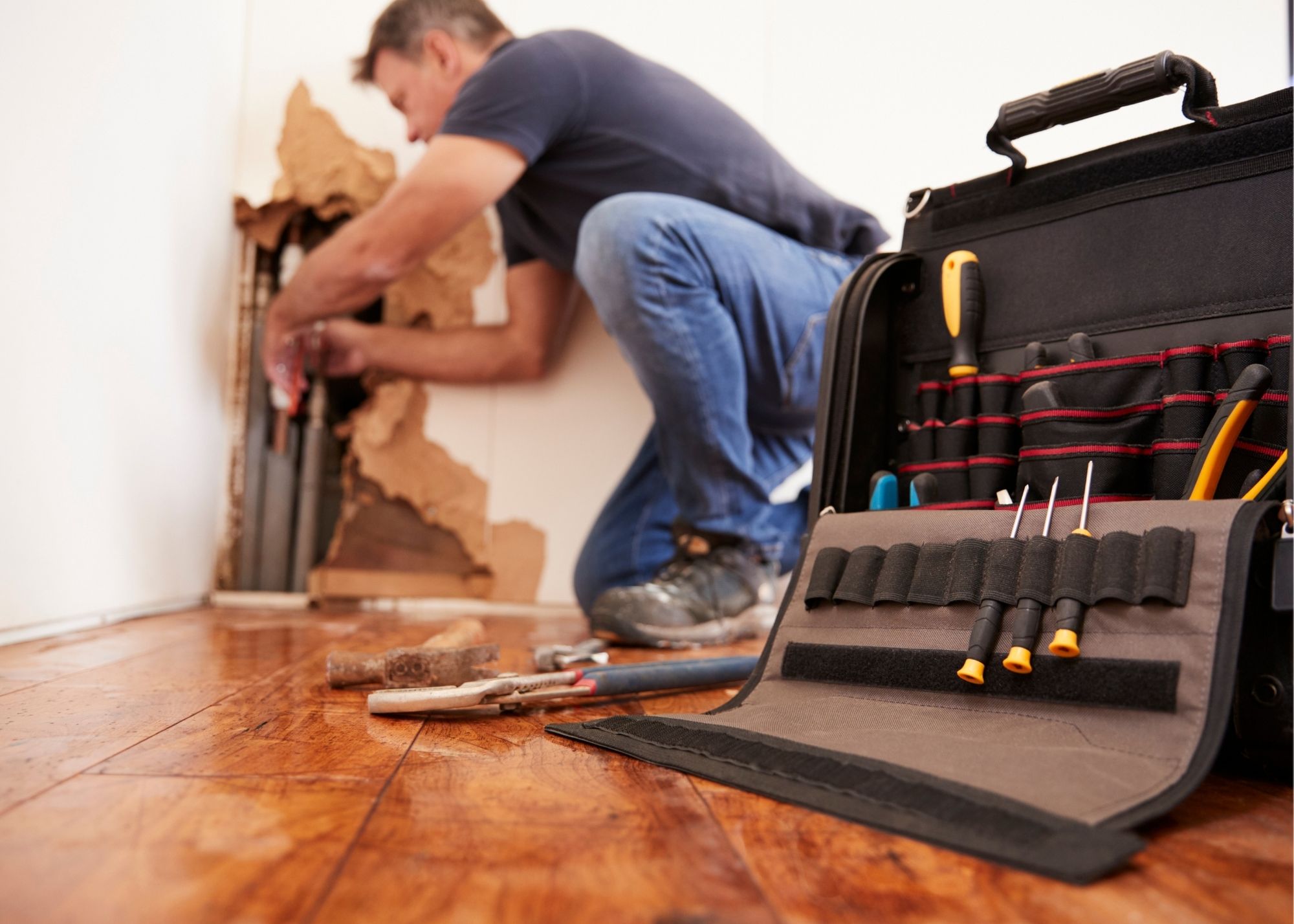
A wall or floor that feels cool and slightly damp to the touch is still holding moisture.
An earthy odor that will not go away means moisture is still evaporating somewhere nearby.
Fogging on nearby windows or fixtures points to elevated humidity from a still-wet structure.
An air mover blows high-velocity air across wet surfaces to push moisture out of the material and into the air. A dehumidifier then pulls that moisture out of the air so it does not just resettle back into your walls and floors. The two always work together; air movers alone can actually slow drying by raising humidity in a closed room.
A typical clean-water loss dries in about 3 to 5 days with the right number of air movers and an LGR dehumidifier running continuously. Larger areas, saturated framing, or Kansas summer humidity can push that closer to a week, since the equipment has more moisture to pull out of both the materials and the air.
Drying is a continuous process. Turning equipment off overnight lets humidity climb back up and moisture reabsorb into materials that were partway dry, which can add days to the job. Crews leave air movers and dehumidifiers running around the clock until moisture readings confirm the structure is dry.
In most cases, yes, a steady indoor temperature helps the drying equipment work more efficiently, and the crew will tell you the right setting for your situation. What you should not do is open windows to "air it out," since Kansas outdoor humidity is often higher than what the dehumidifier is creating inside.
Moisture meters and hygrometers measure moisture content inside the material itself, not just how it feels to the touch. A wall can feel dry on the surface while still holding water inside the drywall or framing. Crews check daily and compare readings to a dry standard before calling the job finished.
We answer live 24/7, connect you with a local crew that places equipment the same day, and they bill your insurance directly.
Start Drying Now