Stains or Discoloration
Brown or yellow rings on ceilings and walls almost always mean water is moving through the material behind them.
A flooded basement, a burst pipe, or a slow leak behind the wall all do the same thing: they get worse by the hour. We connect you with licensed, insured local pros who extract standing water, dry your home to IICRC S500 standards, and bill your insurance directly.
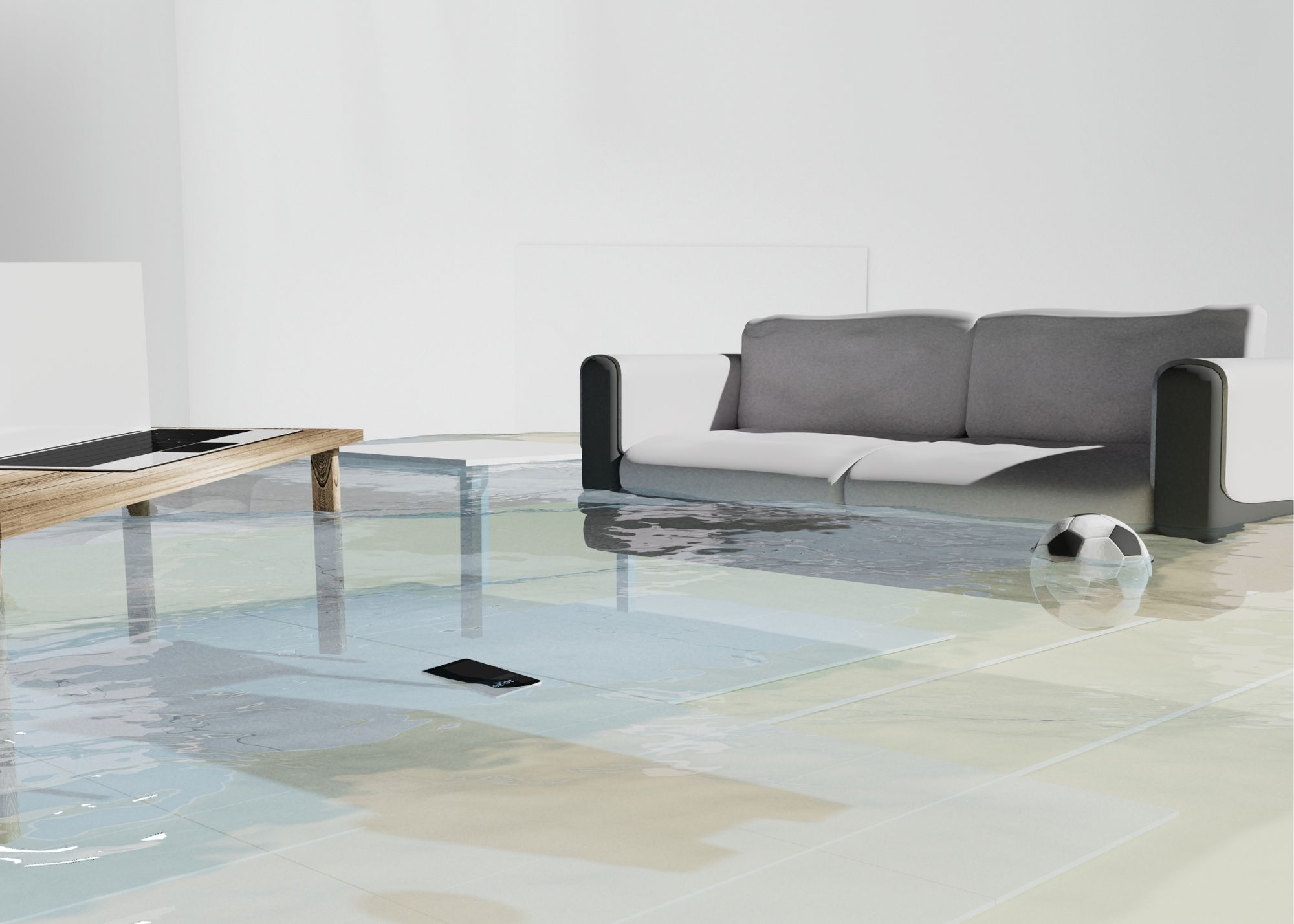
Water damage restoration in Overland Park means a licensed crew removes standing water, dries your home's structure with commercial air movers and dehumidifiers, and repairs what the water ruined. Crews follow the IICRC S500 standard, respond 24/7, and typically reach an Overland Park home within about 60 minutes of your call. The faster extraction starts, the less material has to be torn out and replaced. Call (913) 365-0554 any hour.
Whether it is a Kansas thunderstorm pushing water through the foundation or a supply line bursting overnight, water does not wait for a good time. It soaks into drywall within minutes, wicks up baseboards within hours, and reaches framing and subfloor by the next day.
The July 2025 storms that dropped nearly 10 inches of rain across parts of Johnson County left wet basements all over Overland Park, from older homes near Downtown to newer construction in Blue Valley. Every hour water sits is another hour it spreads into places you cannot see, and mold can begin growing on damp drywall in as little as 24 to 48 hours.
Waiting to call does not make the job smaller. It makes it bigger, slower to dry, and more likely to involve mold on top of the original water loss.
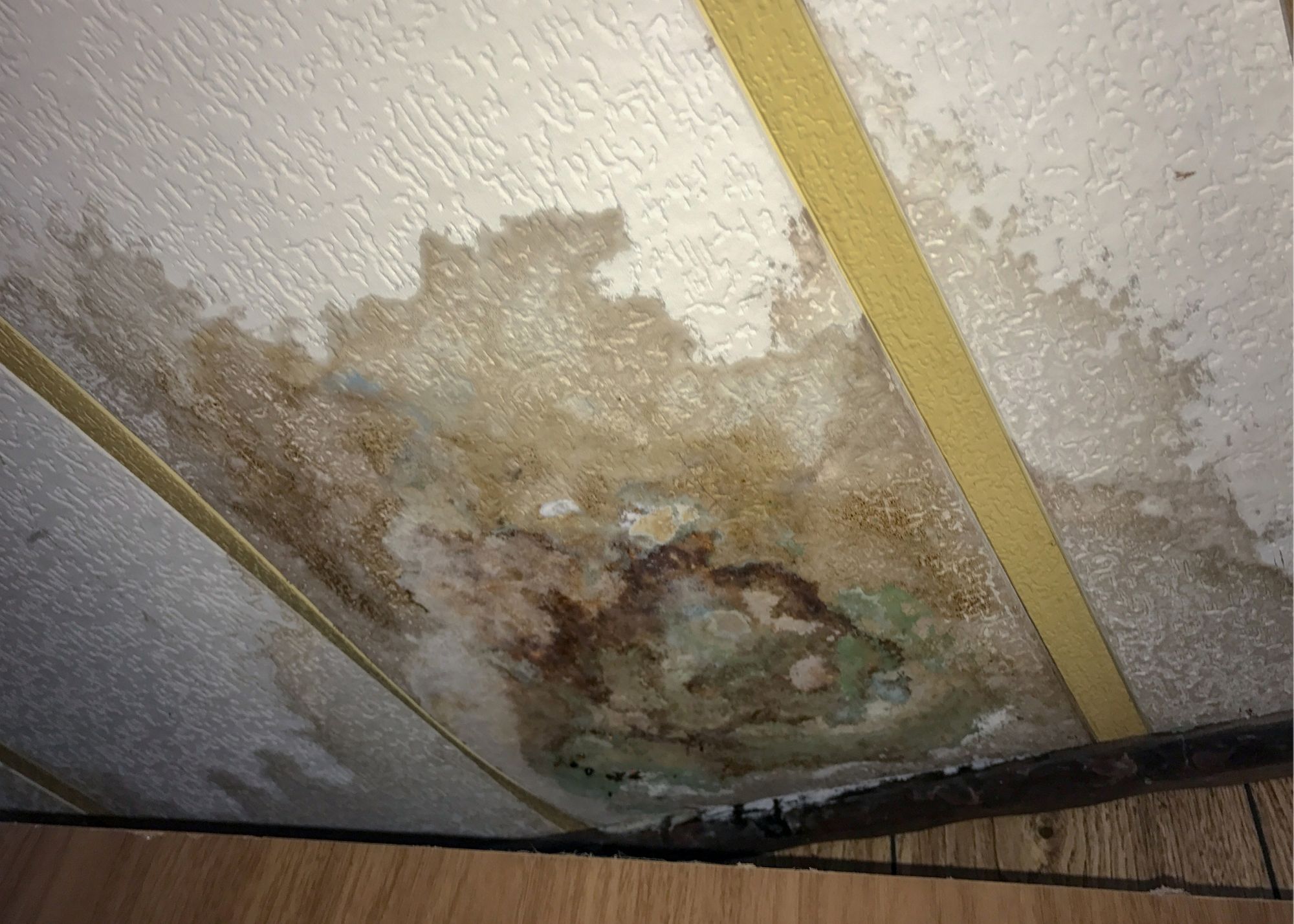
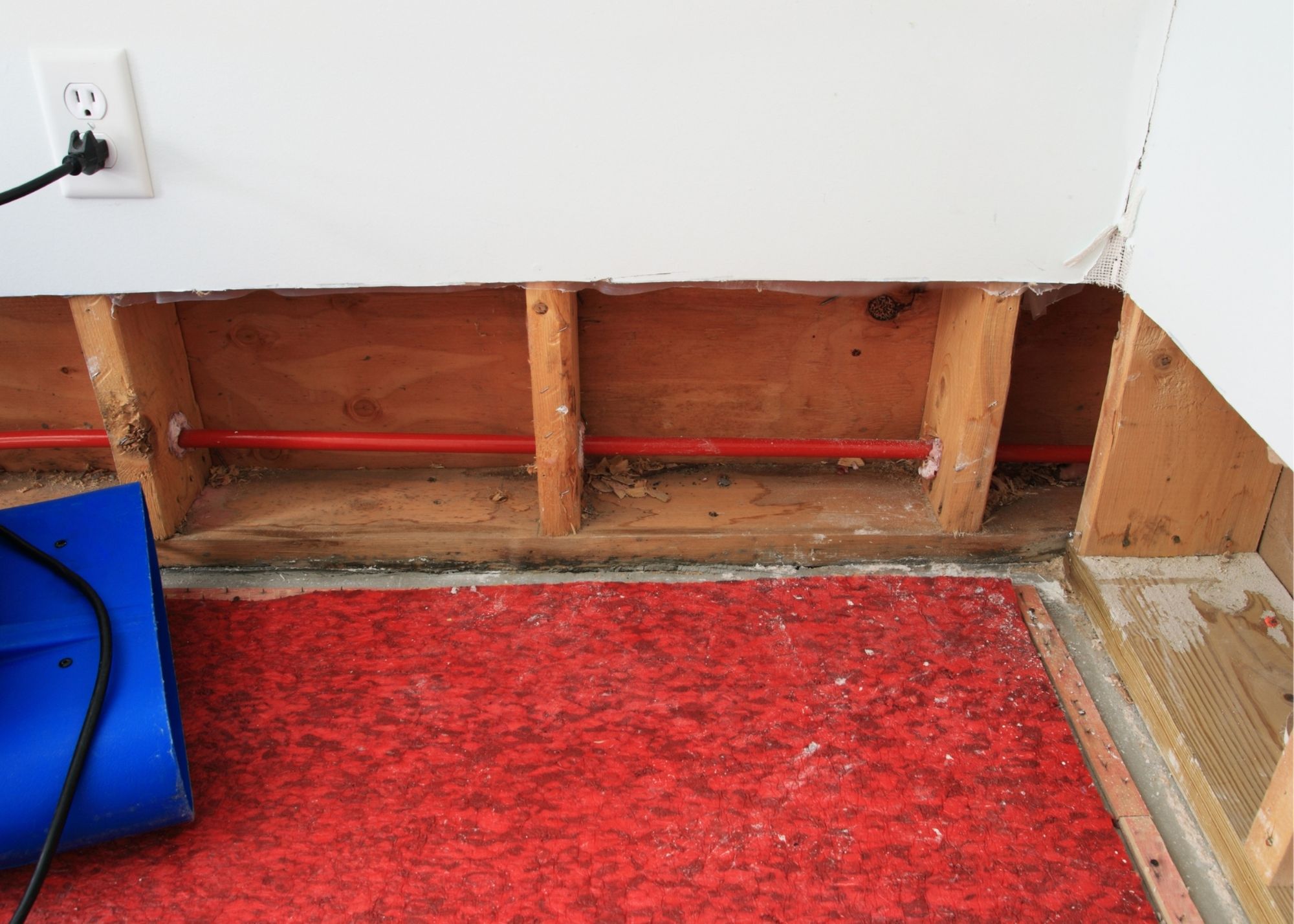
The local pros we connect you with start by identifying the water category. Category 1 is clean water from a supply line. Category 2 is gray water with some contamination. Category 3 is black water, like sewage or floodwater, and needs extra safety steps.
From there, crews pull standing water with truck-mounted and portable extractors, set commercial air movers and LGR dehumidifiers to dry the structure, and use moisture meters to confirm walls, floors, and framing are dry before closing out the job. Anything that cannot be saved, like soaked carpet pad or swollen baseboard, gets removed and replaced as part of the repair.
Get a Restoration ProRight now it is soaking into subfloor, baseboards, and drywall. Call and reach a real local restoration pro in under a minute. Crews start extraction the same day, and your insurance gets billed directly.
Get Help NowYou describe what happened. The crew identifies the likely water category before they even arrive, so they bring the right equipment.
Truck-mounted and portable extractors remove standing water from floors, carpet, and padding as fast as possible.
Soaked carpet pad, ruined drywall, and swollen baseboard that cannot be dried are removed to stop mold before it starts.
Commercial air movers and LGR dehumidifiers dry framing, subfloor, and walls, checked daily with moisture meters.
Affected surfaces are cleaned and treated, with extra antimicrobial steps for Category 2 or 3 losses.
Drywall, flooring, and trim get replaced, and the crew walks the space with you to confirm everything is dry and repaired.
Restoration is not just pulling out water and pointing a fan at it. The local pros in our network document every moisture reading, follow IICRC S500 methods, and know how Overland Park homes, from Downtown bungalows to Blue Valley new-builds, behave when water gets in.
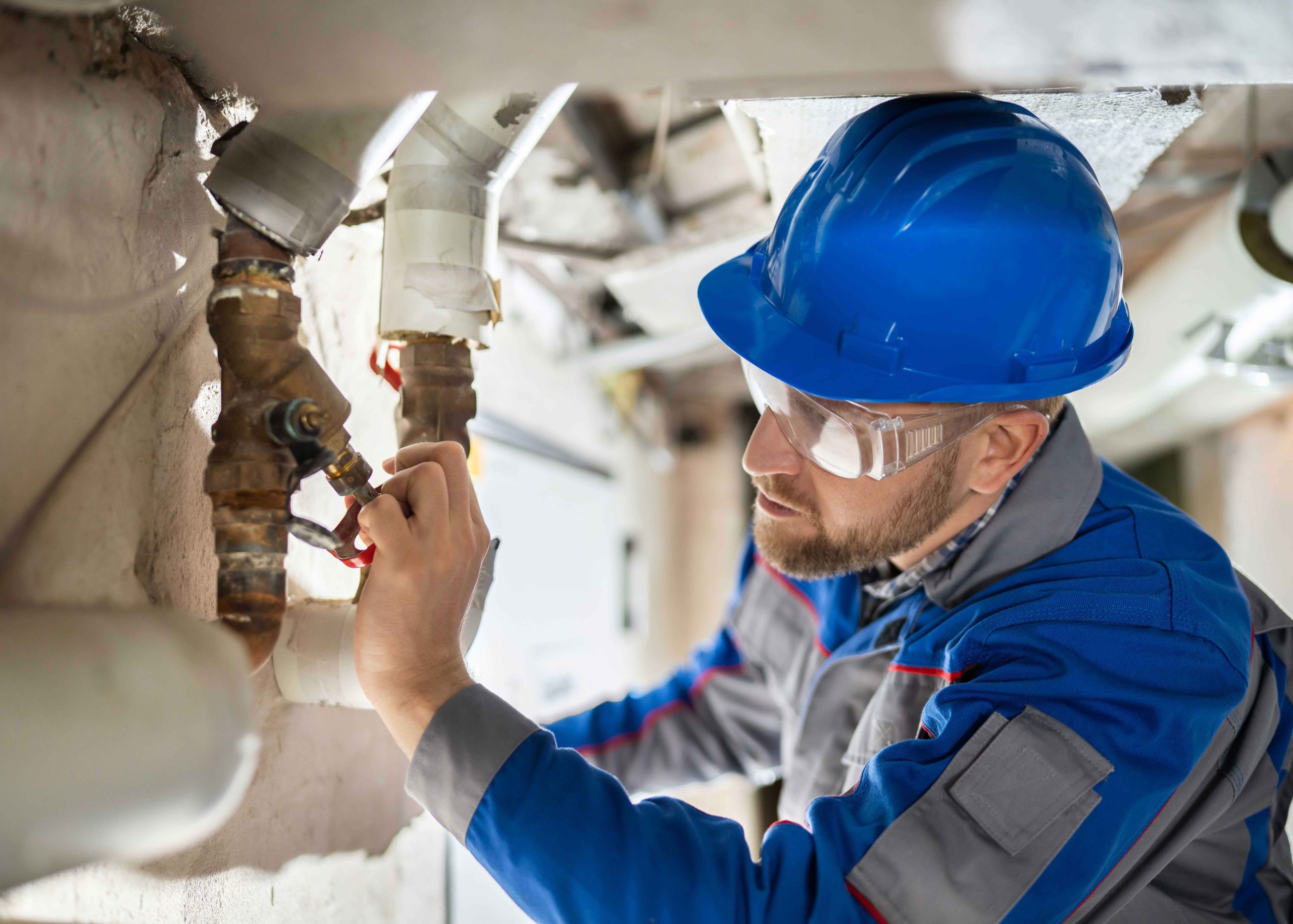
Brown or yellow rings on ceilings and walls almost always mean water is moving through the material behind them.
A damp, earthy smell in a room or basement often shows up before you can see any visible water damage.
Hardwood that cups or laminate that lifts at the seams has already absorbed more water than it can handle.
Paint that bubbles or drywall that feels soft to the touch means moisture is trapped just under the surface.
A sudden jump in your water bill with no clear reason can point to a hidden leak inside a wall or under a slab.
A ceiling that sags or feels spongy is holding water above it and can be close to collapsing.
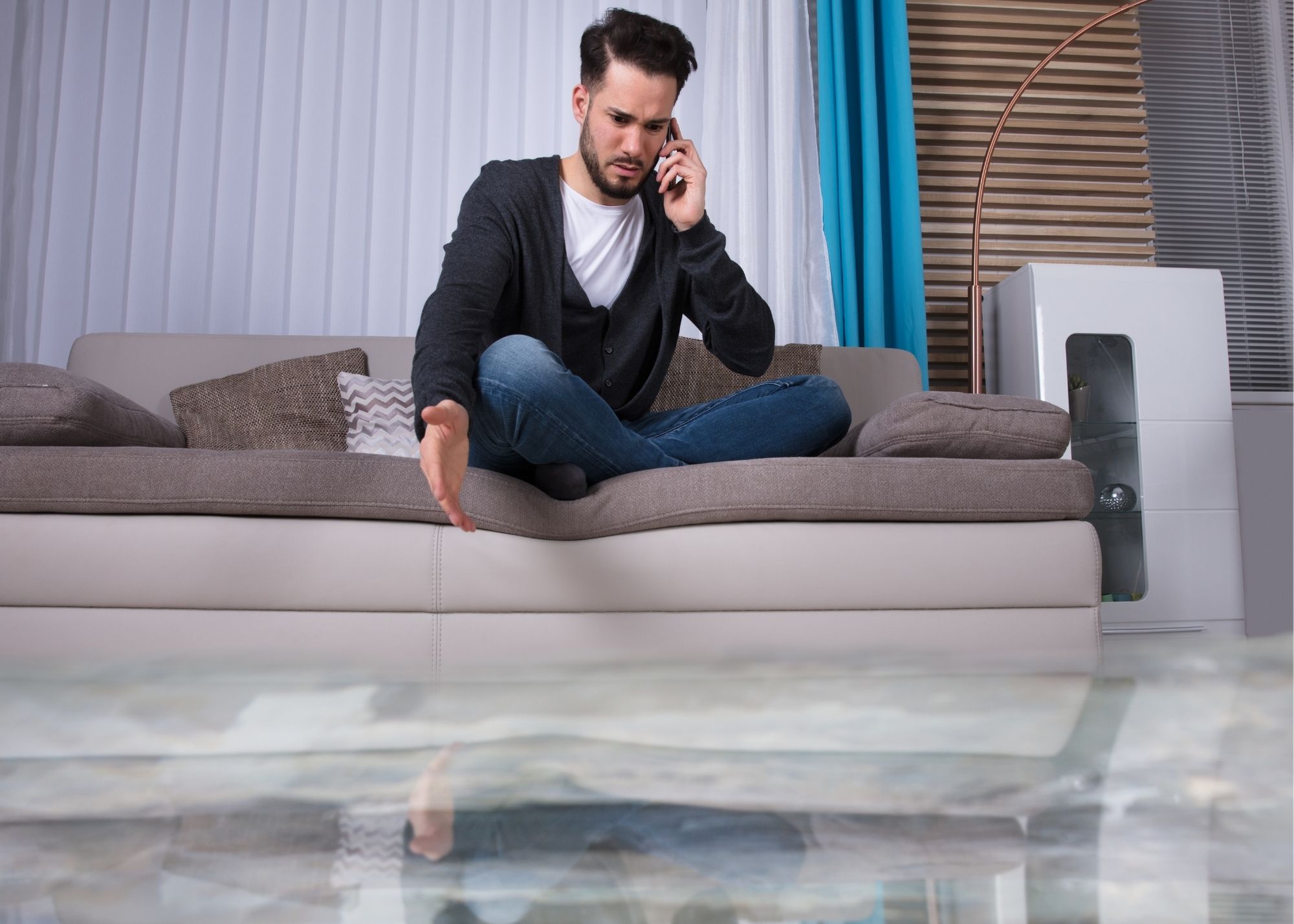
From Downtown Overland Park to Blue Valley and Deer Creek, plus neighboring Leawood, Lenexa, and Olathe.
Category 1 is clean water from a source like a broken supply line. Category 2 is gray water with some contamination, such as an overflowing washing machine. Category 3 is black water, like sewage or floodwater, and carries the highest health risk. The category determines how the crew handles cleanup, what gets removed, and what can be dried in place.
A typical clean-water loss in a home this size dries in about 3 to 5 days once air movers and dehumidifiers are running. Larger floods, hidden moisture in walls, or gray and black water losses can take longer because more material has to be removed and treated before drying can finish.
In most Category 1 losses, yes, though the affected room will have loud drying equipment running around the clock. If the damage involves sewage, a large area, or your electrical system, the crew may recommend staying elsewhere for a few days while they work.
Usually not. Kansas humidity is often higher outside than the air a dehumidifier creates inside, so open windows can slow drying down. Let the crew control airflow with their commercial equipment, and only open windows if they tell you it will help in your specific case.
Yes. The pros we connect you with handle mitigation first, extraction, drying, and cleaning, then move into repair, replacing damaged drywall, flooring, and trim so your Overland Park home looks like the loss never happened.
Mold can start on wet drywall in as little as 24 to 48 hours. If you already see or smell it, tell the crew when you call. They will bring containment and air scrubbing equipment and can connect you with our mold remediation team the same visit instead of scheduling a second trip.
We answer live 24/7, connect you with a local pro who arrives the same day, and they bill your insurance directly. No forms, no waiting on a callback.
Start Your Restoration