A Smell With No Visible Source
A musty odor you cannot trace to any visible growth is a strong reason to test.
Not sure if that smell is mold, or how bad it really is? We connect you with licensed local pros who run lab-based air quality testing to find out, comparing your indoor air against an outdoor baseline in your Overland Park home.
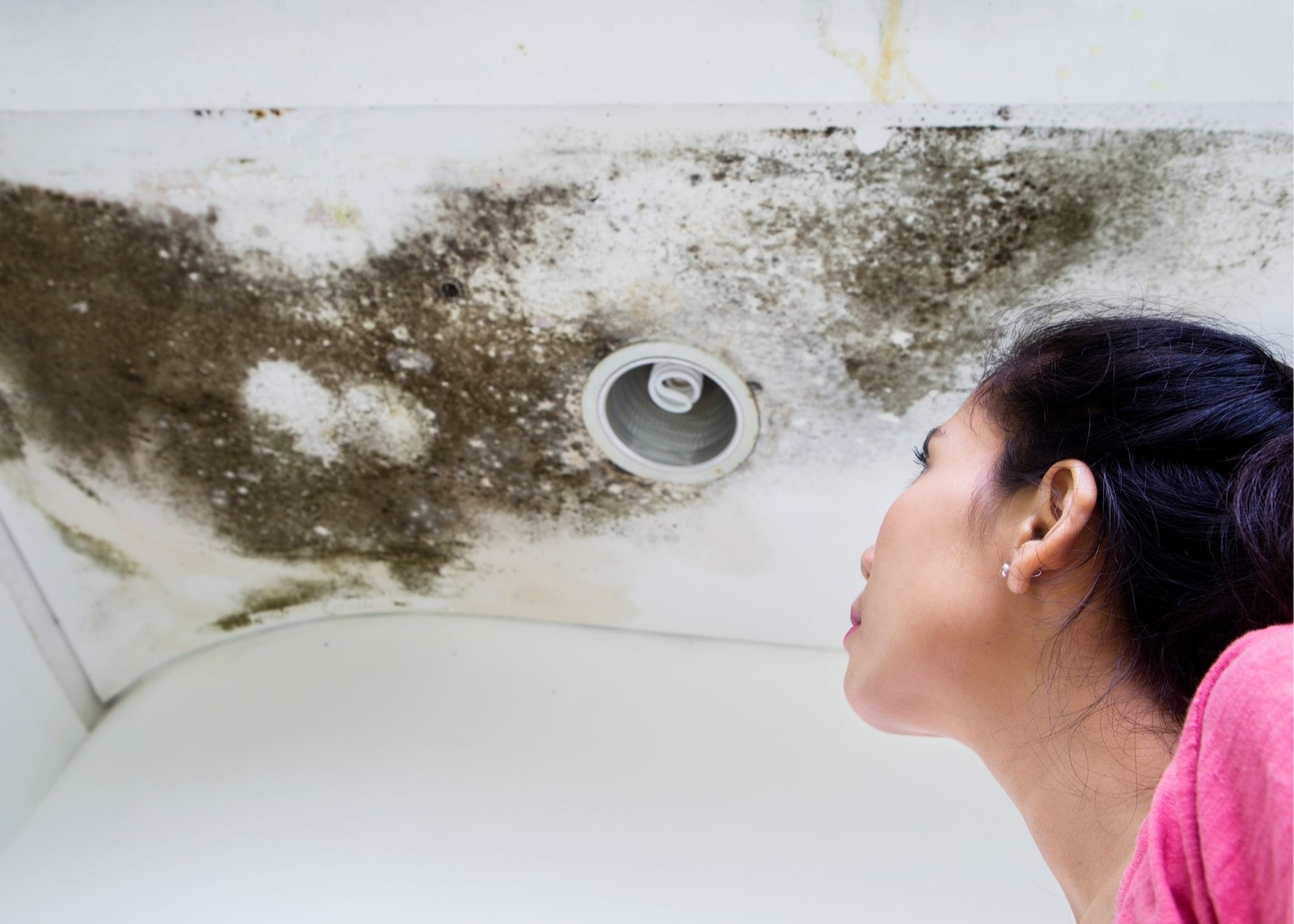
Mold inspection and air quality testing means collecting air samples from inside your home and comparing them to an outdoor baseline sample, since mold spores exist naturally outside and indoor counts need context to mean anything. A calibrated pump draws a measured volume of air, and an independent lab identifies spore types and counts under a microscope. Call (913) 365-0554 to schedule testing.
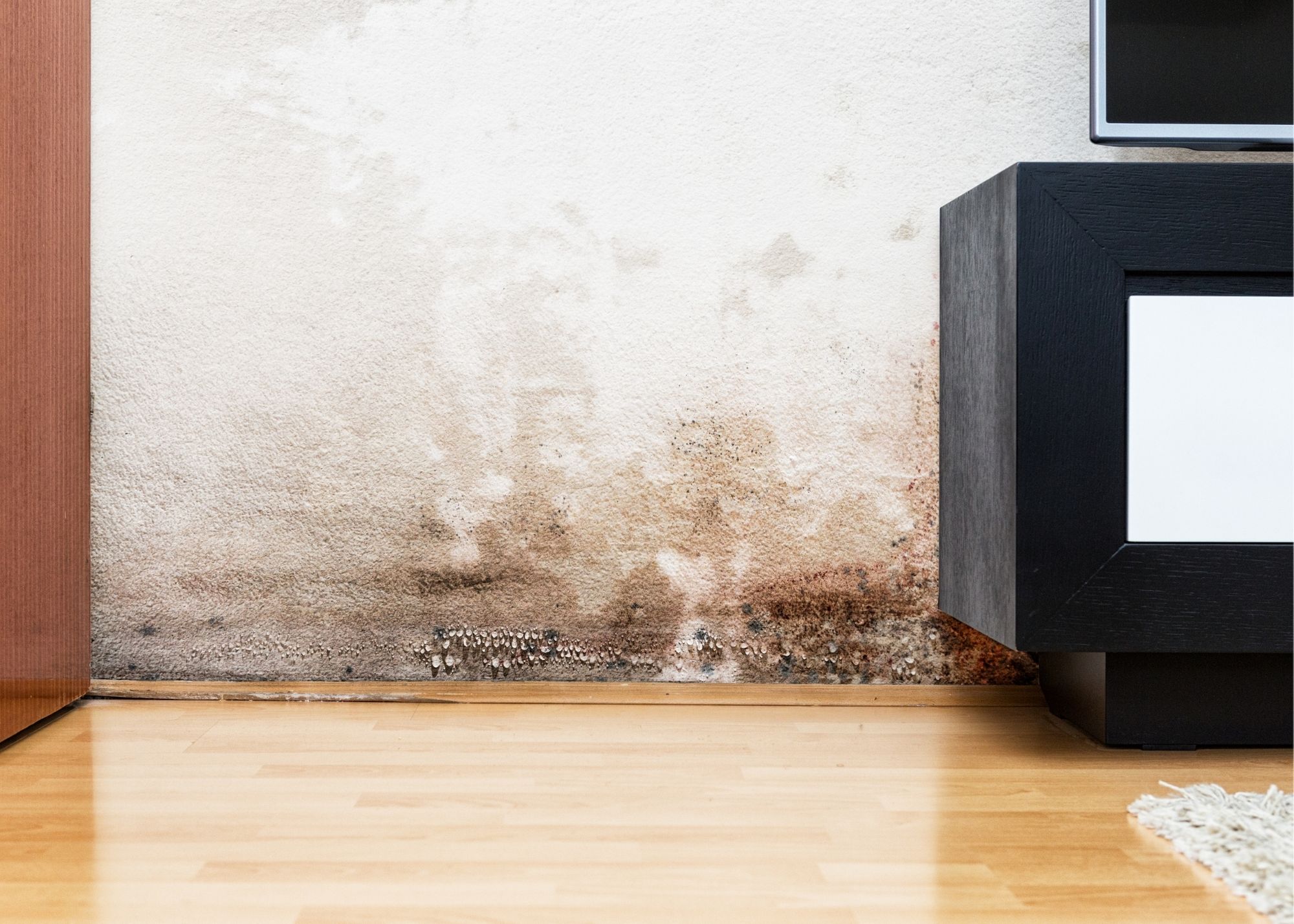
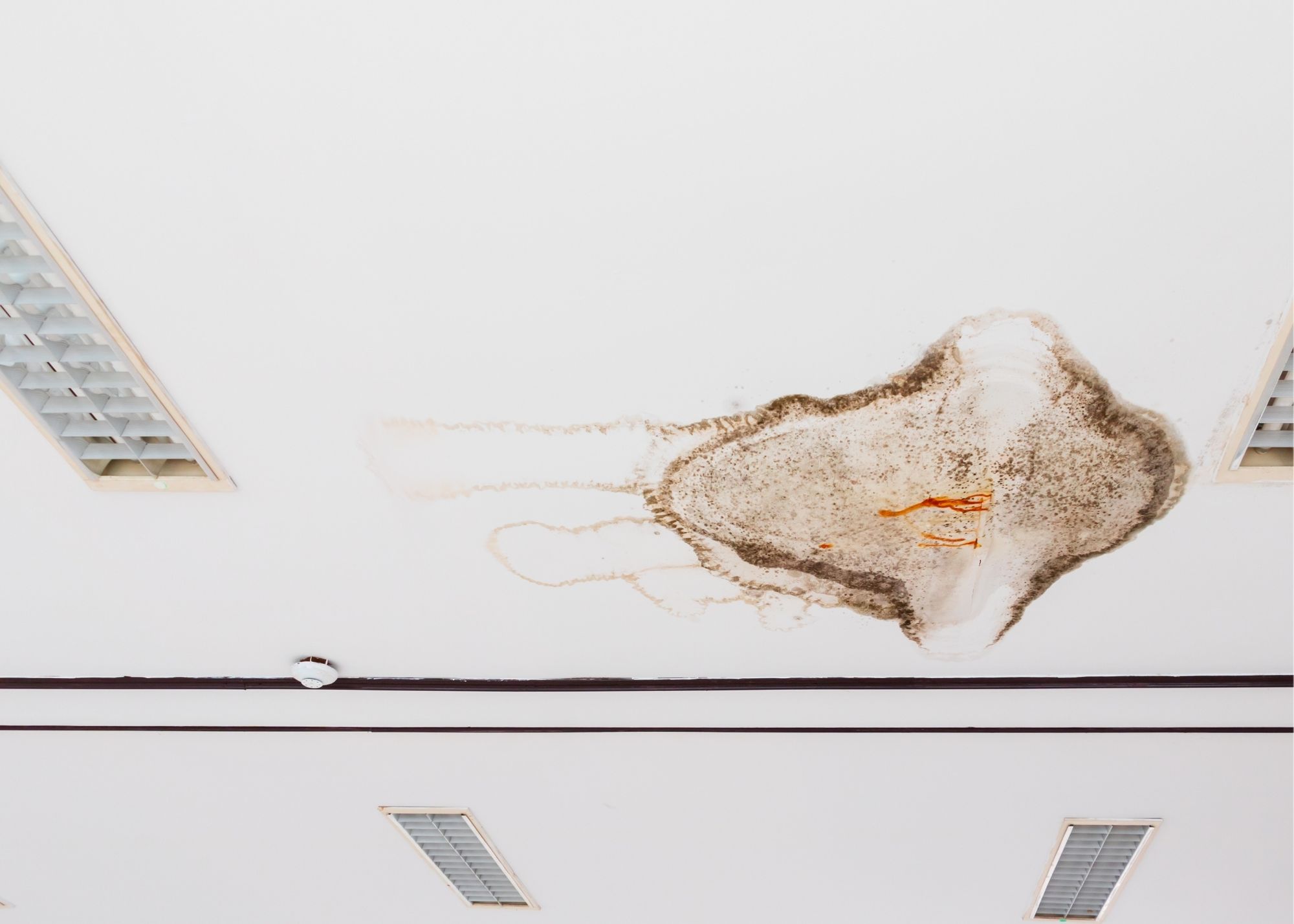
A musty smell, allergy symptoms, or a past leak in your Overland Park home can all point toward mold, but none of them tell you how bad the problem actually is, or whether it is even mold at all. Without testing, a homeowner is stuck guessing between an unnecessary full remediation and ignoring a real health risk.
Testing is also the only reliable way to find mold that has no visible sign yet, hidden behind a wall, under flooring, or circulating through an HVAC system, and to confirm after remediation that the air is actually clean, not just that the visible spot is gone.
A technician collects one outdoor sample as a baseline, then indoor samples from suspected problem areas, using a calibrated pump that draws a precise volume of air through a collection device. Each sample goes to an independent lab, where a microbiologist identifies and counts spore types under a microscope.
Results compare indoor spore counts and types against the outdoor baseline. Indoor counts similar to or lower than outdoor, with similar spore types, generally point to a healthy space, while higher counts or unusual spore types point toward an indoor mold source worth investigating further.
Schedule Air Quality TestingCall and reach a real local mold pro in under a minute. Lab-based testing gives you an actual answer, and your insurance gets billed directly.
Get Help NowAn outdoor sample is collected first to set the comparison point for indoor results.
Samples are collected from suspected problem areas using a calibrated air pump.
An independent lab identifies spore types and counts, and results are explained in plain terms.
A visual check alone cannot tell you what is in your air. The local pros in our network use calibrated equipment and independent lab analysis, giving your Overland Park home an actual, defensible answer instead of an opinion.
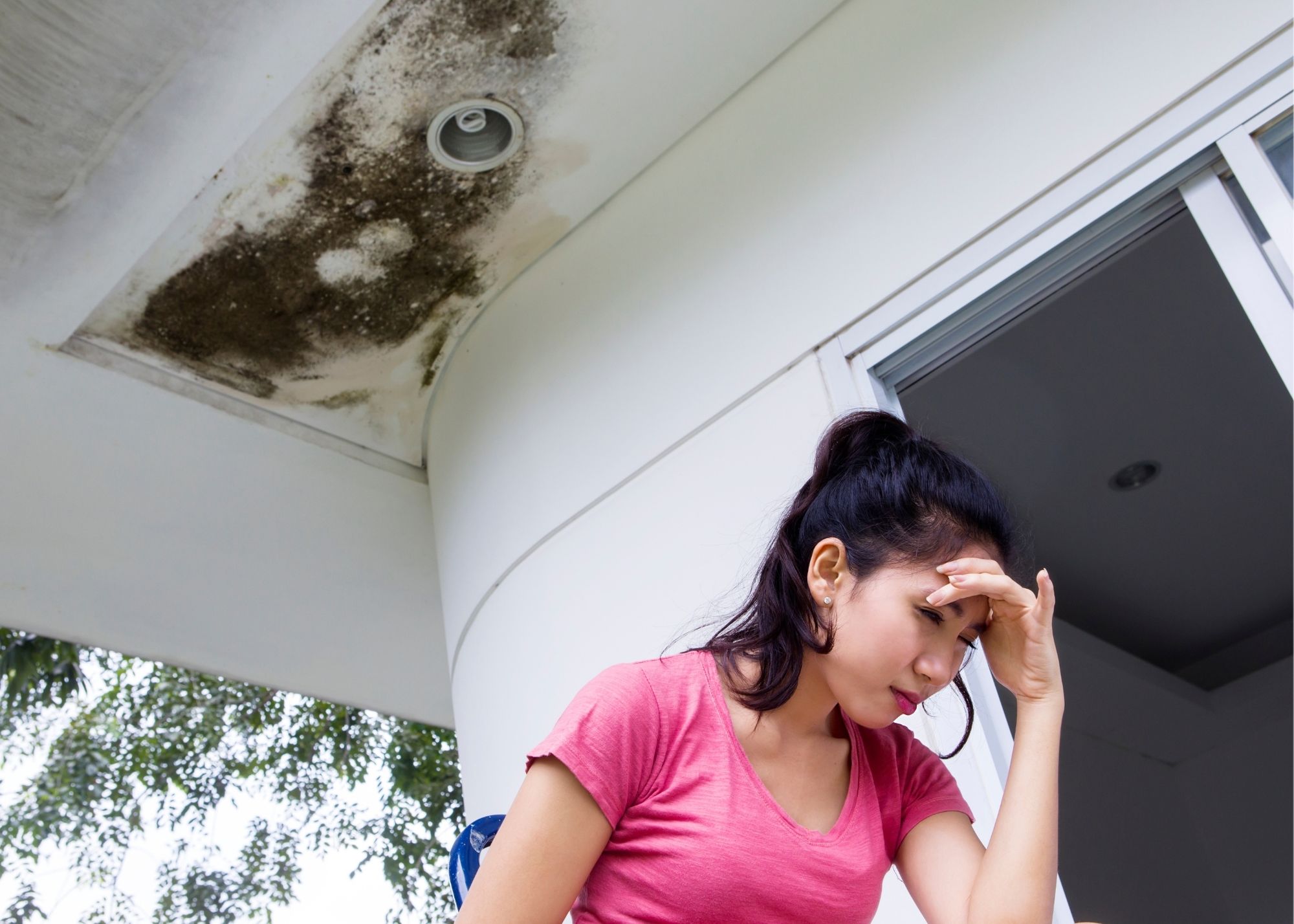
A musty odor you cannot trace to any visible growth is a strong reason to test.
Allergy or breathing symptoms that ease away from the house point toward indoor air quality.
Clearance testing after mold removal confirms the air is actually clean before calling it done.

Mold spores exist naturally in outdoor air everywhere, so an indoor-only sample would not mean much on its own. The outdoor sample sets a baseline, and indoor spore counts are compared against it. As a rough rule, indoor counts should be similar to or lower than outdoor counts and made up of similar spore types.
Collecting the samples themselves takes well under an hour, often just a few minutes per sample using a calibrated pump. The lab analysis, where a microbiologist identifies and counts spore types under a microscope, typically takes a few business days to return results.
Yes, that is one of its main uses. Elevated spore counts in an area with no visible growth can point to mold hidden behind a wall, under flooring, or inside an HVAC system, giving a starting point for where to look further.
Not always. Visible mold with an obvious cause, like a recent leak, often goes straight to remediation without testing first. Testing is most valuable when mold is suspected but not visible, when there is a health concern, or as a clearance step after remediation to confirm the air is actually clean.
We answer live 24/7, connect you with a local pro who tests the same day, and they bill your insurance directly.
Start Air Quality Testing