A Musty, Earthy Smell
A persistent damp odor in a basement or bathroom is often the first clue mold is growing somewhere unseen.
A musty smell in the basement, dark spots on a bathroom ceiling, or mold you can already see behind a baseboard all mean the same thing: moisture got in and mold followed. We connect you with licensed local pros who contain it, remove it to IICRC S520 standards, and clear the air so it does not come back.
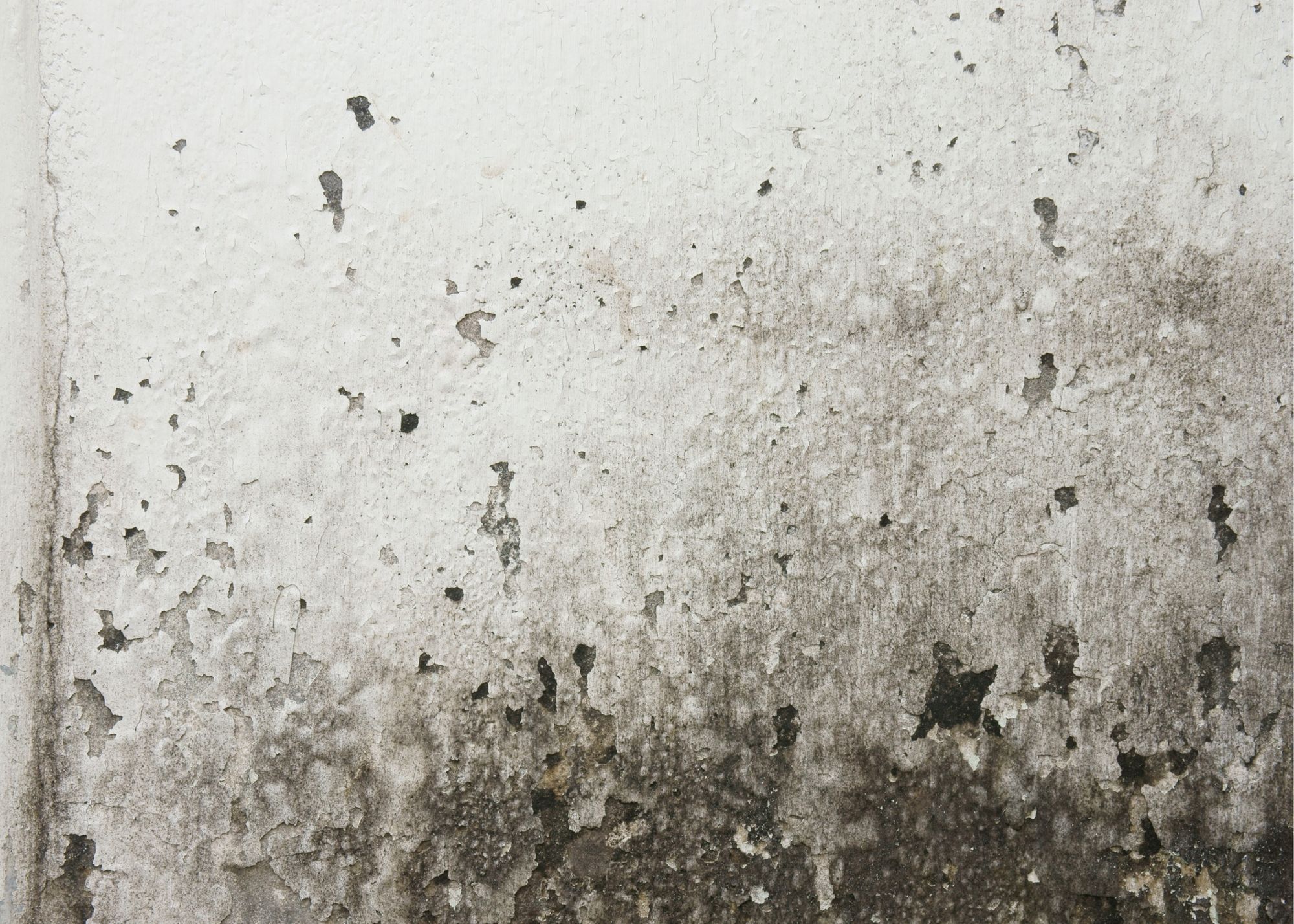
Mold remediation in Overland Park means a licensed crew contains the affected area, removes mold-damaged material, cleans surfaces with HEPA vacuums and antimicrobial treatments, and confirms the air is clear with lab testing. Crews follow the IICRC S520 standard. Older Overland Park basements and attics with poor airflow are common trouble spots. Call (913) 365-0554 to get a crew started.
Mold needs three things: moisture, warmth, and something to feed on. Older Overland Park homes near Downtown and Cherokee Hills often have basements with poor ventilation, and Kansas summer humidity gives mold everything it needs to spread on damp drywall in 24 to 48 hours.
The trouble is that mold rarely stays where you first saw it. A small patch on a bathroom ceiling can mean a much larger colony growing inside the wall cavity or above the insulation, feeding on paper-faced drywall and wood framing you cannot see.
Painting over a spot or wiping it with a household cleaner does not remove the colony underneath. It only hides the surface layer while the mold keeps growing and the spore count in your air keeps climbing.
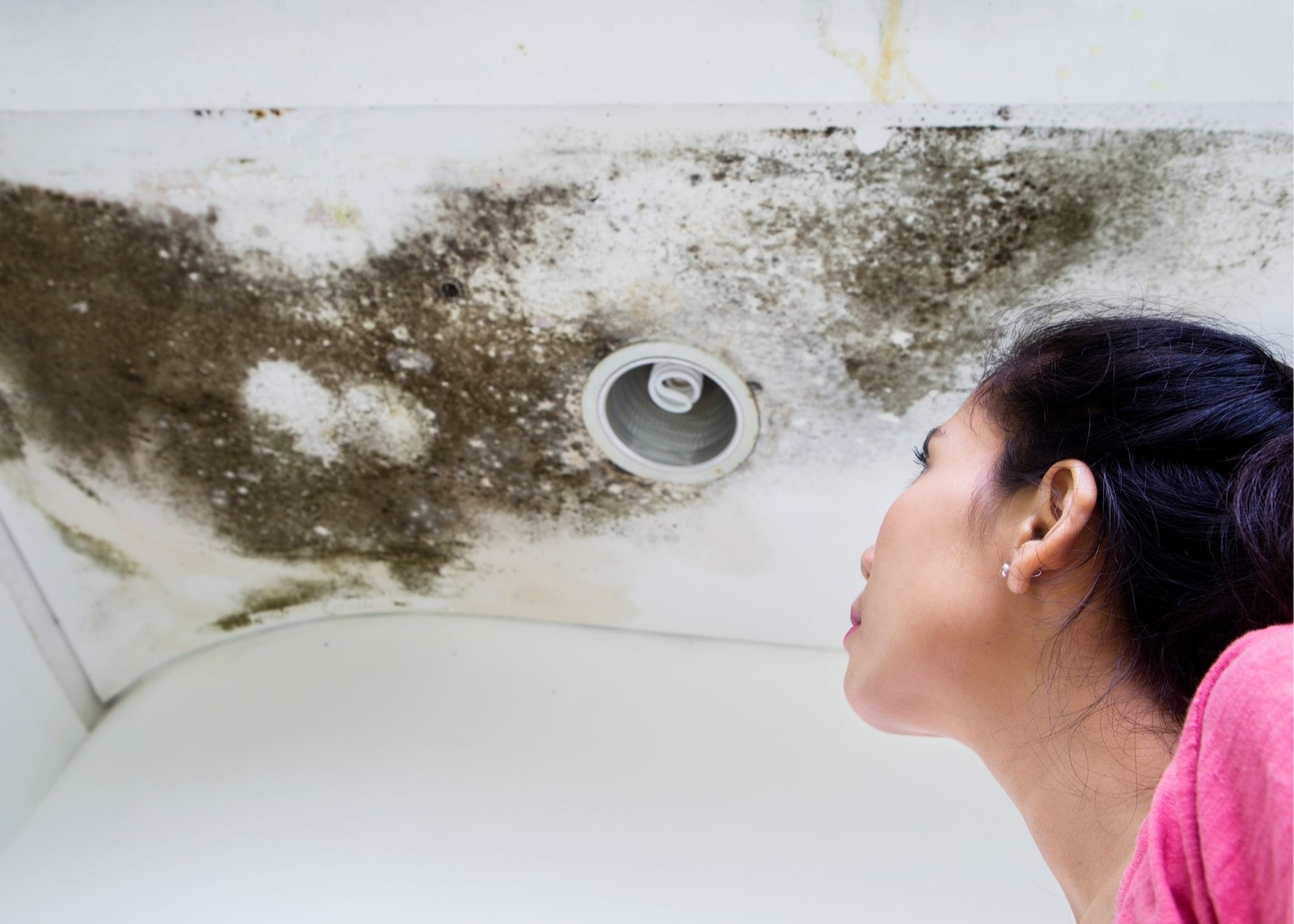
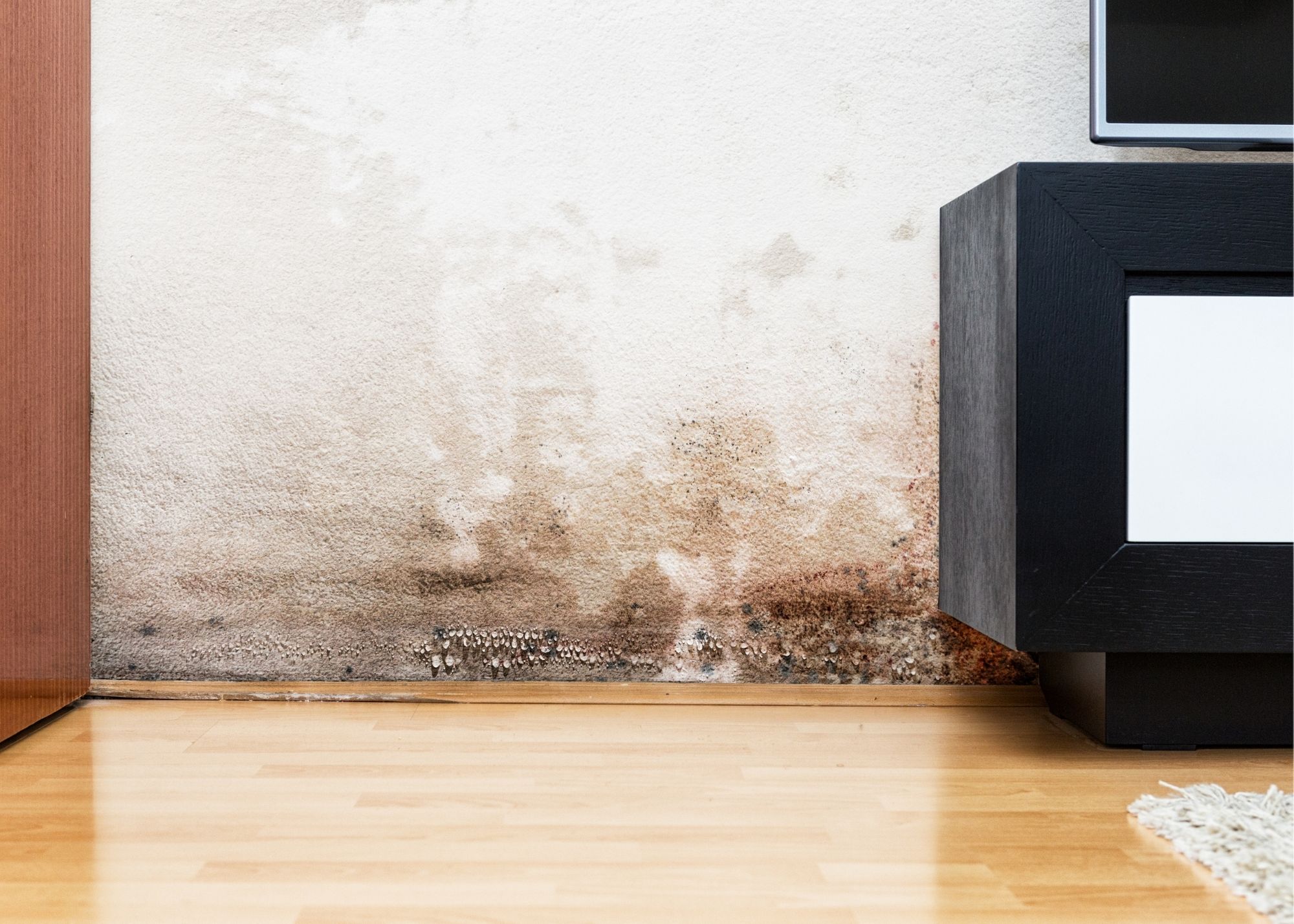
The local pros we connect you with start with an inspection to find both the visible mold and the moisture source feeding it. Then they seal off the work area with plastic sheeting and run negative air machines so spores cannot spread to clean rooms while work is underway.
From there, crews remove mold-damaged drywall, insulation, and framing that cannot be saved, clean remaining surfaces with HEPA vacuums and antimicrobial treatment, and run air scrubbers until lab testing confirms the space is clear. Fixing the moisture source, whether that is a slow plumbing leak or a poorly vented attic, is part of every job, not an extra step.
Get a Mold ProEvery day it sits is another day spores spread through your air and the colony grows behind the wall. Call and reach a real local mold pro in under a minute. Crews bring containment gear the same day, and your insurance gets billed directly.
Get Help NowThe crew finds visible mold and the moisture problem behind it, using moisture meters to map how far it has spread.
Plastic sheeting and negative air machines seal off the work area so spores cannot reach clean rooms in your home.
Mold-damaged drywall, insulation, and framing that cannot be salvaged are bagged and removed from the containment zone.
Remaining surfaces are cleaned with HEPA vacuums and treated with antimicrobial solution to stop remaining spores.
Independent lab testing confirms the air is clear, then removed drywall and insulation are replaced.
Mold work is easy to do halfway. Painting over a spot or running a fan for a few days does not remove a colony. The local pros in our network find the real moisture source, follow IICRC S520 containment methods, and confirm with lab testing that the air is actually clear before they call it done.
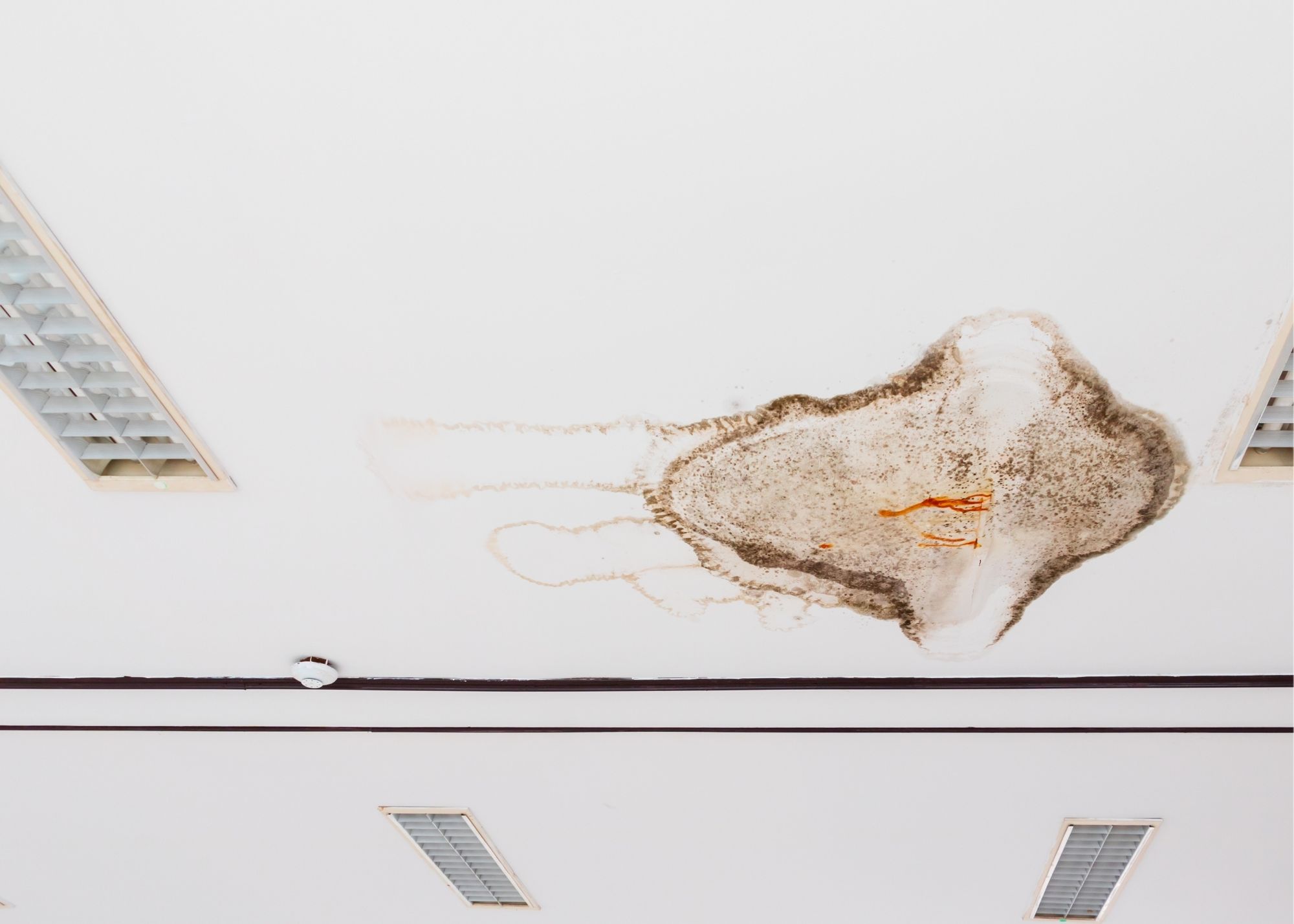
A persistent damp odor in a basement or bathroom is often the first clue mold is growing somewhere unseen.
Black, green, or gray spotting around vents, ceiling corners, or baseboards points to active mold growth.
Sneezing, coughing, or itchy eyes that ease up when you leave the house can be a mold reaction.
Trapped moisture behind paint or wallpaper often shows up as bubbling or peeling before mold is visible.
Any area that flooded or leaked in the last year is a likely spot for mold, even if it looked fully dried.
Regular condensation means high humidity, which is exactly the environment mold needs to spread.

Older basements near Downtown and Cherokee Hills, plus attics and crawl spaces across every Overland Park neighborhood.
Not every mold is toxic, but any indoor mold growth means there is a moisture problem, and any mold can trigger allergies or breathing issues in sensitive people. Black mold gets the most attention, but common green and white molds can also cause health symptoms and should be removed, not just painted over.
For a small spot on a hard, non-porous surface, cleaning may be enough. Bleach does not work well on porous material like drywall or wood framing because it cannot reach mold growing below the surface. If the area is larger than about 10 square feet, or the mold is on drywall, insulation, or framing, professional containment and removal is the safer route.
A technician takes air and surface samples from inside your home and compares them to an outdoor baseline sample. The samples go to an independent lab, which identifies mold types and spore counts. This confirms whether remediation worked and can catch hidden mold that is not visible yet.
Mold only returns if the moisture problem that caused it is not fixed. That is why the pros we connect you with find and correct the water source, whether it is a slow plumbing leak, poor attic ventilation, or a damp crawl space, before they call the job finished.
It depends on the cause. Mold from a sudden, covered event, like a burst pipe, is often covered. Mold from long-term neglect, like an old roof leak nobody fixed, usually is not. The crew documents the cause and timeline so your adjuster has what they need to make that call.
A contained, isolated area, like one bathroom ceiling, often finishes in 1 to 3 days. Larger jobs, such as a full basement or attic, can take closer to a week once containment, removal, HEPA cleaning, and clearance testing are all factored in.
We answer live 24/7, connect you with a local pro who brings containment gear the same day, and they bill your insurance directly. No forms, no waiting on a callback.
Start Mold Removal