Cupping at the Edges
Boards with edges higher than the center show classic cupping from moisture below.
Cupped or warped hardwood is not always a lost cause, but timing matters. We connect you with licensed local pros who dry your Overland Park hardwood floor fast, before it needs to be replaced instead of saved.
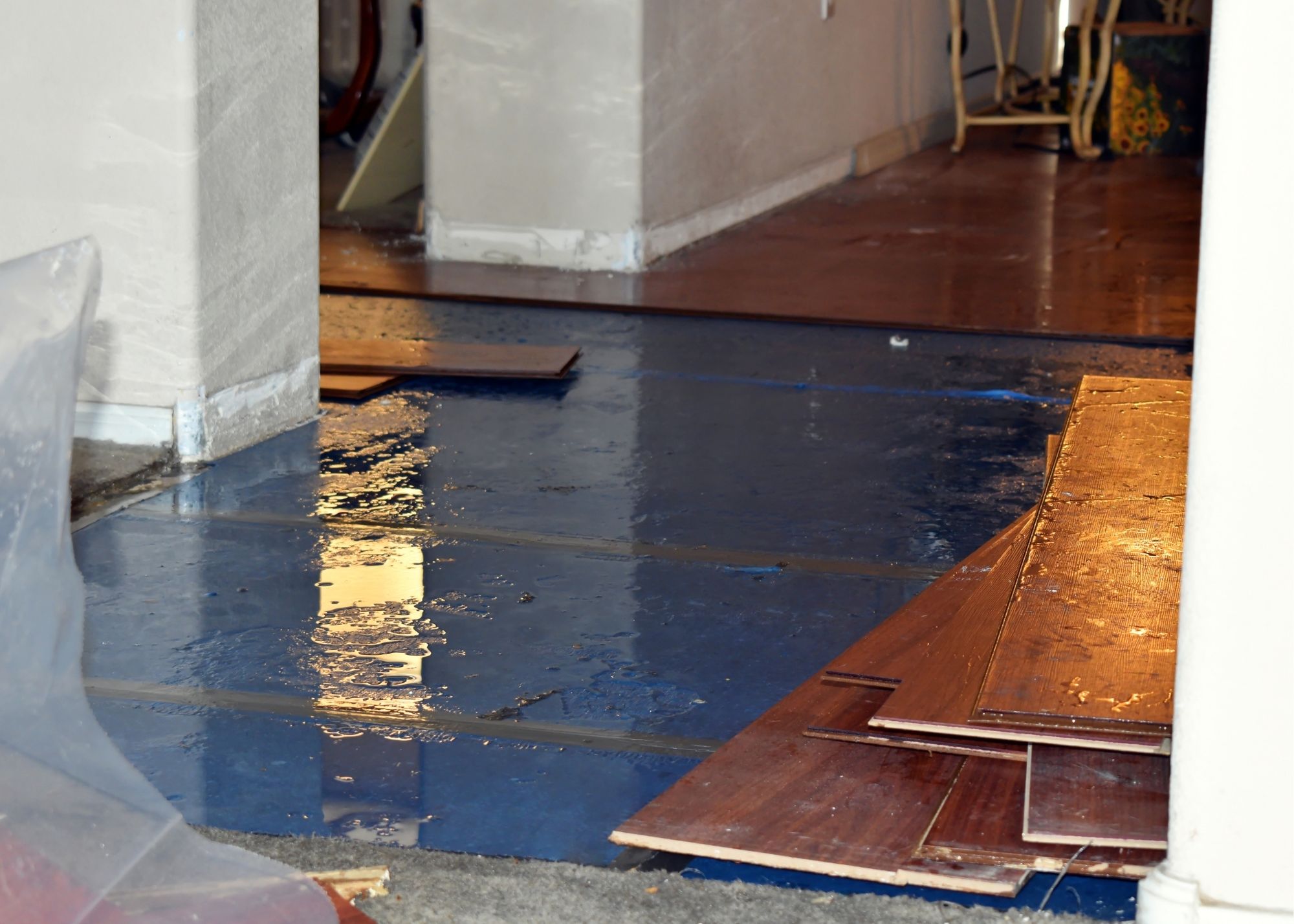
Hardwood floor water damage restoration means drying the wood quickly with specialty floor mats and air movers before cupping, the wavy raised-edge look caused by moisture, becomes permanent. Most cupped floors flatten back out over one to three weeks once the wood is fully dry, but sanding too early can cause permanent crowning instead. Call (913) 365-0554 to start drying fast.
Hardwood absorbs moisture unevenly. The underside of each board, which is unfinished, soaks up water faster than the sealed top surface, so the edges of each board swell and rise higher than the center. This is called cupping, and it is often the first visible sign that water reached a floor, whether from a burst pipe, a Kansas storm, or a slow appliance leak.
The mistake many homeowners make is sanding a cupped floor right away to flatten it. If the wood is still wet, sanding removes material from the high edges, and when the board finally dries and tries to flatten, the edges drop below the center, creating a permanent dip called crowning.
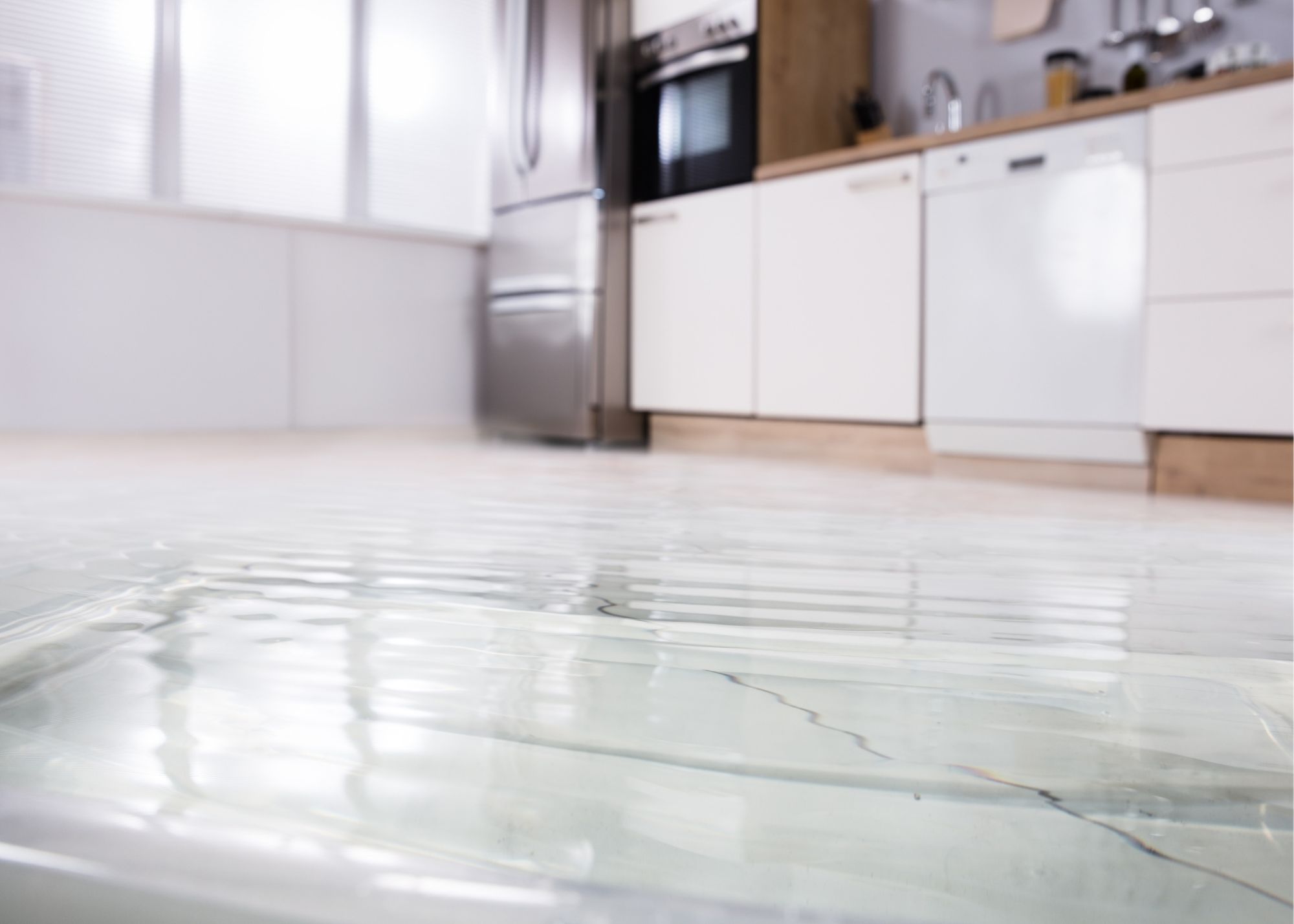
Crews use specialty floor drying mats that pull moisture through the wood grain from both the top and bottom, paired with air movers and dehumidifiers to control humidity in the room. Initial drying usually takes 24 to 72 hours, but the wood keeps losing trapped moisture and equalizing for one to three weeks after that.
Only once the floor reaches a normal moisture level does sanding and refinishing begin. Boards with severe cupping, buckling, or a damaged subfloor underneath may need replacement instead of restoration, and crews will tell you honestly which category your floor falls into.
Get Your Floor AssessedCall and reach a real local crew in under a minute. The sooner floor drying starts, the better the odds of saving it instead of replacing it, and your insurance gets billed directly.
Get Help NowStanding water is removed and the crew checks how far cupping or damage has progressed.
Specialty drying mats pull moisture through the wood grain while air movers control room humidity.
The floor is left to fully equalize over one to three weeks before any sanding or refinishing begins.
Rushing to sand a cupped floor is the single most common mistake that turns a fixable problem into a permanent one. The local pros in our network wait until moisture readings confirm the wood is fully dry before touching a sander, protecting your Overland Park hardwood instead of risking crowning.
Boards with edges higher than the center show classic cupping from moisture below.
Gaps or ridges between boards mean the wood is expanding unevenly.
Discoloration in the grain itself, not just the finish, means water has soaked in deep.
Cupping happens when the underside of a hardwood board absorbs more moisture than the top, causing the edges of each board to rise higher than the center. It creates a wavy, raised-seam look across the floor and is usually the first visible sign of water damage in hardwood.
Sanding a floor while it is still cupped removes material from the raised edges. Once the wood fully dries and the board tries to flatten back out, the edges drop lower than the now-unsanded center, creating a permanent dip called crowning. Waiting until the floor is fully dry avoids this.
Often, yes, if drying starts quickly. As the wood loses moisture and returns to a normal level, many cupped boards flatten back out over one to three weeks. Floors with severe cupping, buckling, or subfloor damage are less likely to fully recover and may need replacement.
Initial drying with floor mats and air movers typically takes 24 to 72 hours, though the wood continues losing trapped moisture and equalizing for one to three weeks after that before it is safe to sand or refinish.
We answer live 24/7, connect you with a local crew that starts drying the same day, and they bill your insurance directly.
Start Floor Drying